

Let's face it, getting pregnant is not always as easy as it sounds. As many stories as you have heard about unplanned pregnancies, getting pregnant should be easy right? You learned sex ed around the 5th grade, but what they didn't tell you is approximately 1 in 10 couples will experience infertility for one reason or another and that most couples do not get pregnant the first month of trying. If you are finding it more difficult than you thought to get pregnant, we have some suggestions for you.
1. Try a Recipe for Sex
There are quite a few of them out there. A recipe for sex is basically a list of days to have sex on to try to get pregnant. My personal favorite is having sex on days 9, 11, 12, 14, & 16 of your cycle. Of course if you don't have a 28 day cycle this one probably won't work for you. Another plan is having sex every other day starting about day 10 of your cycle.
2. Try Fertility Charting
Fertility charting involves taking your temperature at the same time every morning before getting out of bed. You also observe for signs that you are ovulating and chart your cervical mucus pattern. Charting can help determine if you are ovulating and help you to pinpoint when ovulation is occurring.
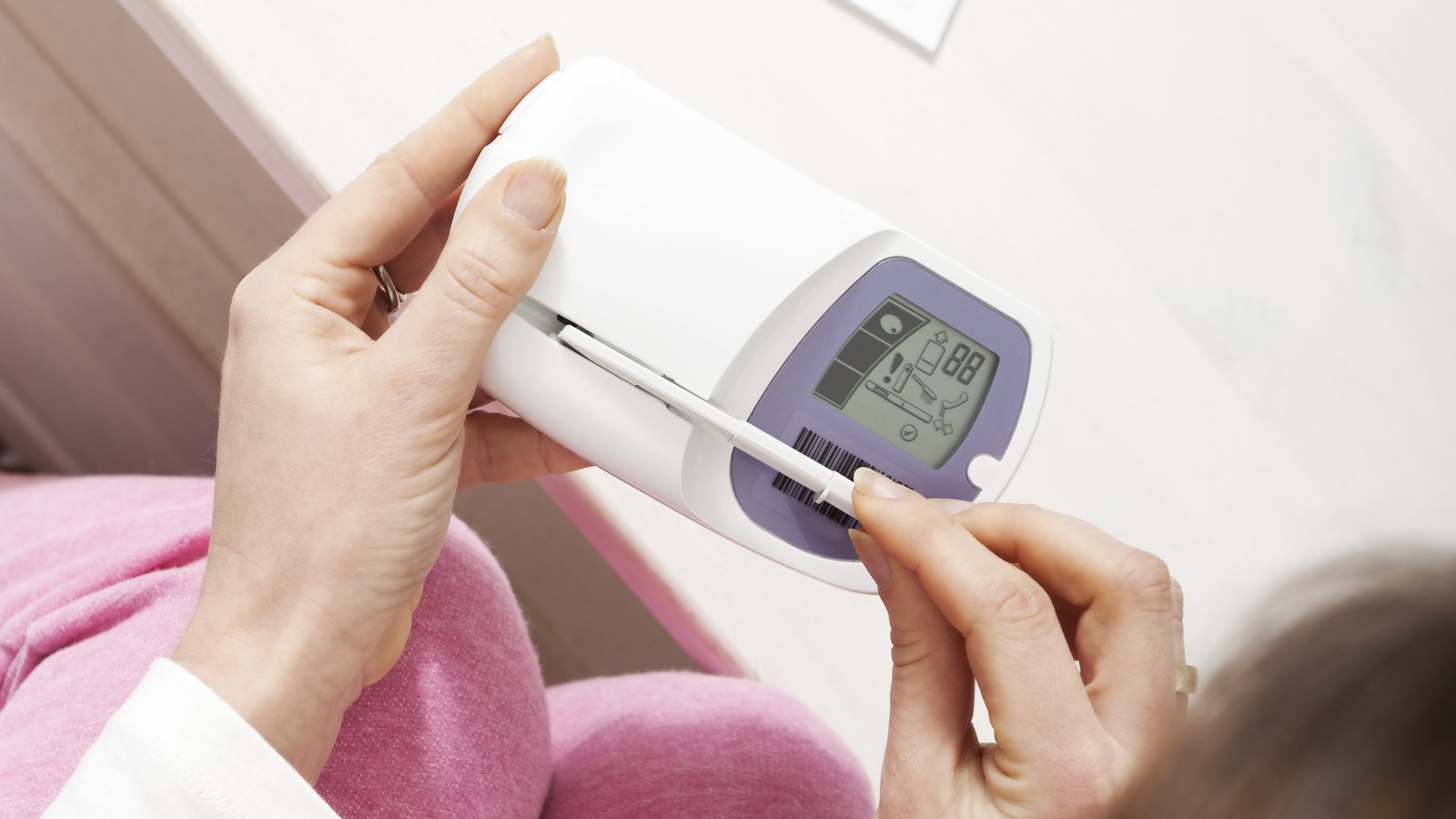
3. Use Ovulation Prediction Kits (OPKs)
You can buy ovulation prediction kits at your local pharmacy or you can find them even cheaper if you purchase them online. A day or two before you ovulate, your body produces a surge of luteinizing hormone, LH. OPKs work by detecting this LH surge. Follow the directions that come with your kit to determine how to read the test strips, what time of day to test, and also what day of your cycle you should begin testing. OPKs cannot confirm ovulation, but they can help you predict ovulation before it occurs. Used in combination with fertility charting, they are very effective in determining ovulation.
4. Get to an Ideal Weight
Many women do not want to hear this one, but being overweight or underweight can affect your fertility. Women who are significantly underweight or exercise excessively often lose their period all together. It makes perfect sense then that if you are significantly overweight your fertility would be affected as well. Losing weight if you are overweight is one of the best things you can do to improve your fertility. Sticking to a sensible diet and increasing your weight if you are underweight will also help. Weight issues can also affect your partner's sperm, so if your partner is over or underweight encourage him to reach his ideal weight.
5. Check Out Your Medicine Cabinet
Certain medications can affect fertility. Talk with your doctor about the medications that you and your partner take. Even over-the-counter medications can cause problems. For example, medications such as tetracycline, erythromycin, and cimetidine can reduce a man's fertility.
6. Try Instead Softcups®
Although no formal research has been done on it, many women have claimed success from using them. Instead Softcups® are inserted and placed close to the cervix after intercourse to help hold semen close to the cervix.

7. Try a Supplement
There are many over the counter supplements now that may aid in fertility including Vitex, FertiliAid, and FertiliTea. Vitamin B6 may also be helpful with improving your chances of getting pregnant. Men should take a daily multivitamin, and women should start taking prenatal vitamins when they begin trying to conceive.
8. Check Your Position
The best sexual position for trying to conceive is with the woman on the bottom. It may also be helpful for her to lay on her back after intercourse with her knees to her chest for fifteen minutes.
9. Talk to Your Doctor
Although many doctors will not investigate infertility until you've been trying for a full year, many will begin earlier, and even those that are more conservative with treatment may be able to offer you valuable insight and suggestions. Your doctor can give you and your partner a full workup to check for potential causes of infertility. There are many treatments available including Clomid, IUI (Intrauterine Insemination), and more. Your doctor can also look at related health issues that may be affecting your fertility, such as thyroid disorders and Polycystic Ovarian Syndrome (PCOS). Even infections and viral illnesses can cause problems getting pregnant. Your doctor can work with you to come up with a plan for you to get pregnant.