
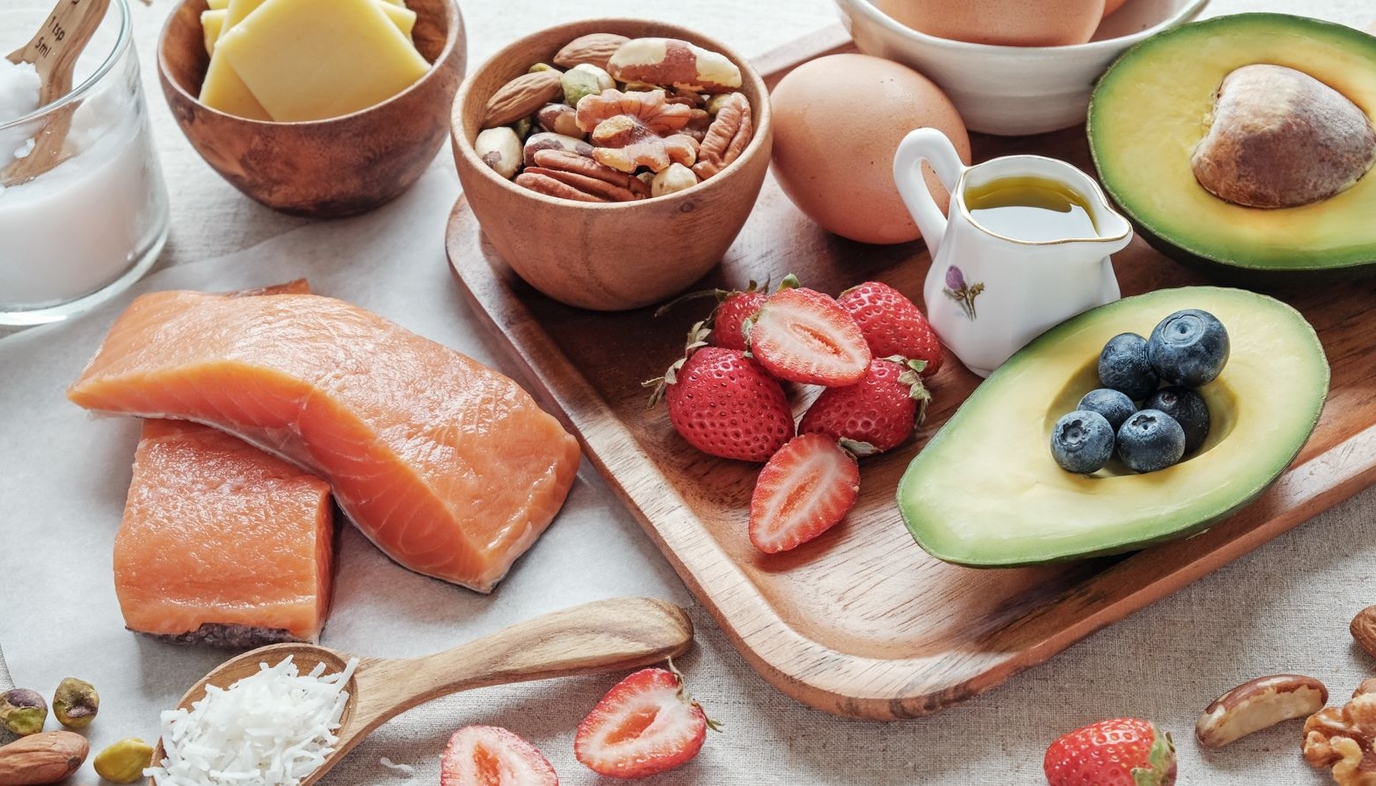
You’ve heard the advice hundreds of times about what it takes to eat right, like eating more fruits and vegetables and whole-grain foods, and cutting back on sugars, caffeine, and fats. But when you’re getting ready to get pregnant, that advice is more than just an abstract ideal. Eating right is one of the best ways you can prepare your body to provide a healthy growing environment for your baby.
Why Does It Matter?
Because food is the fuel that sustains all of your bodily functions, and the quality of your diet affects all of the building blocks of your body. Consider an extreme example: If you ate an all-donut diet, you’d be getting empty calories filled with sugar and fat, and none of the valuable nutrients that your body needed to build new blood cells, keep your bones strong, and maintain proper hormone balances. So if you’re getting ready to get pregnant, now is the time to flush those bad dietary habits and get your body as healthy as it can be.
The best way to start is to figure out how you can get the most “bang for your buck” for every calorie you consume. That’s why a good preconception diet starts with plenty of fruits and vegetables. Fruits and vegetables are nutritional powerhouses, filled with vitamins, minerals, and antioxidants. Most also are high in fiber, which is good for keeping you feeling full and satisfied. Look for brightly colored fruits and vegetables, like blueberries, strawberries, kale, carrots, and red cabbage.
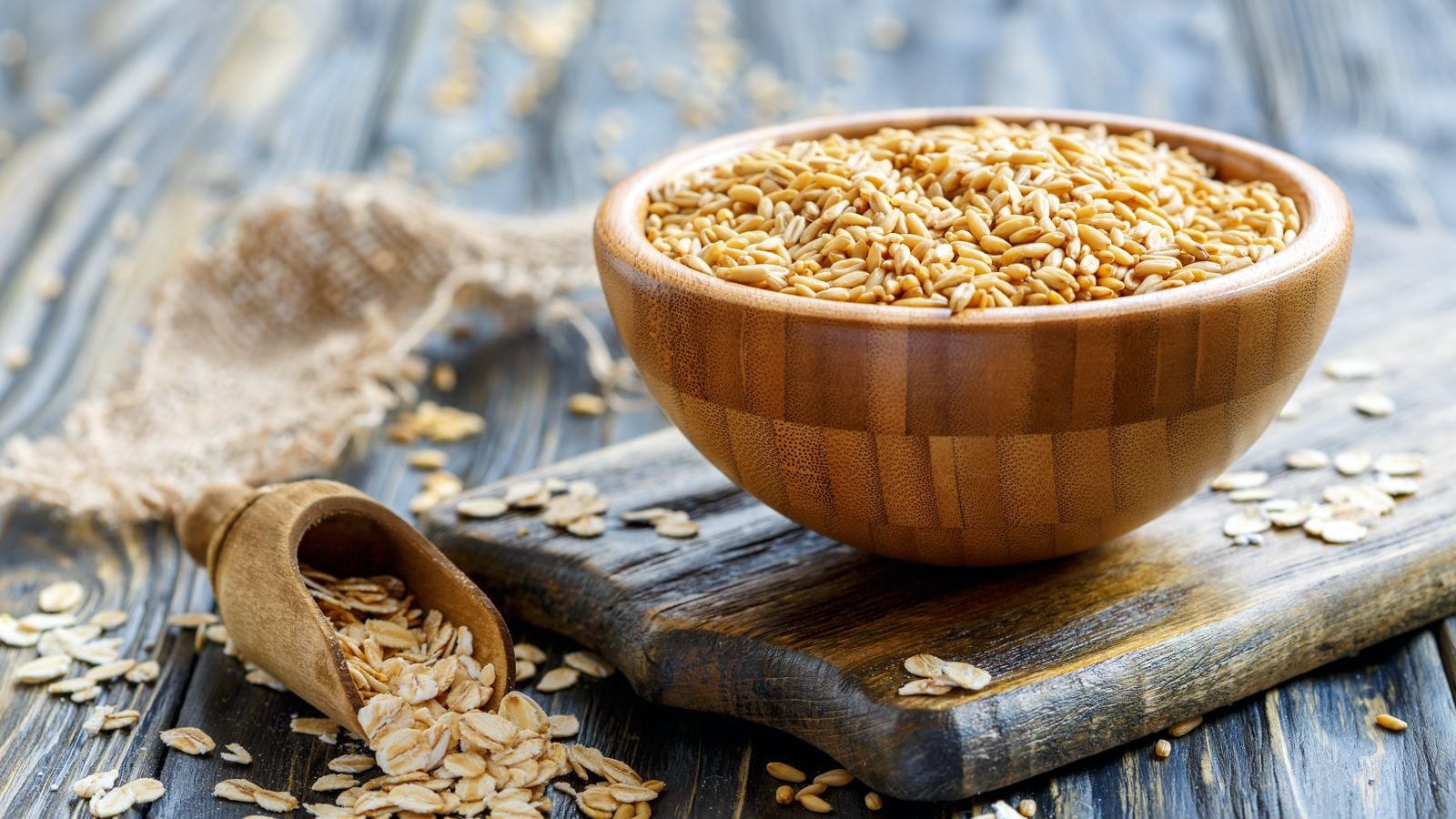
Next, you should look for whole-grain breads, cereals, and pasta. Refined carbohydrates like white bread are essentially stripped of their nutrients during the process and may rob you of much-need B vitamins and iron. Plus, the more high-fiber whole-grain foods will fill you up more quickly and help you sustain your energy over a longer period of time.
Good and Not-So-Good Sources of Nourishment
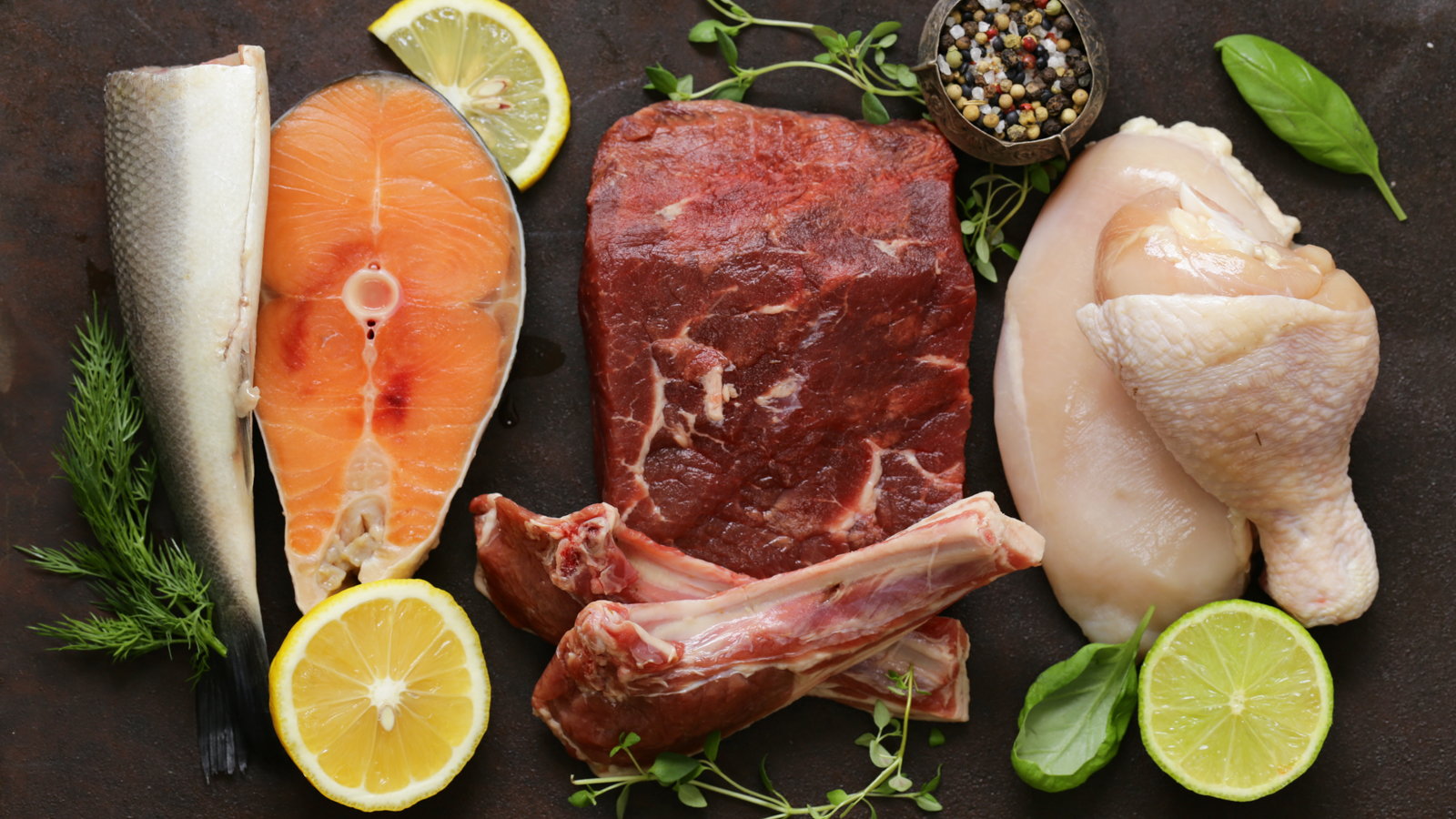
You should also make sure you get enough protein, including from non-meat sources. If you don’t include beans and legumes in your diet, now’s a good time to start. Also look for lean cuts of meat, fish, or chicken, and prepare them by grilling or roasting. One additional note of caution: Women who are pregnant or hope to become pregnant should follow the FDA’s advice on mercury in fish and shellfish. You should avoid shark, swordfish, king mackerel, and tilefish because of high levels of mercury; instead, it is safe to eat up to 12 ounces per week of shrimp, canned light tuna, salmon, pollock, and catfish.
Additionally, you should make sure to get enough calcium in your diet, preferably through low-fat sources like reduced-fat or skim milk, yogurt, or cheeses (but you should avoid cheeses made from unpasteurized milk because of the risk of listeria).
Finally, you can balance out your diet by taking prenatal vitamins. (Ask your doctor to recommend one that’s right for you.) Prenatal vitamins will give you the folic acid and other vitamins you need to get your body in top shape for creating a baby. And remember, the vitamins shouldn’t be replacements for a good diet, but rather they should supplement and fill in the gaps for the good diet that you are already eating.
As you get your body in better shape through dietary improvements, don’t forget to phase out those items that can compromise your health, like smoking, recreational drugs, or excessive alcohol or caffeine. Now is the time to look beyond yourself and think about the health of your future baby. Within a few months, after you commit to your preconception diet, your body will be healthier than ever – and it will be well-prepared to give life and nourishment to another tiny human being.