

Apnea occurs when a child stops breathing for twenty seconds or longer or if she has a pause in breathing accompanied by a drop in heart rate or appears blue in color. It is normal to have pauses in breathing but when a child stops breathing for twenty seconds or longer it can be a life-threatening situation. There are several causes of apnea and it's seen more frequently in the premature infant.
Types of Apnea
There are three types of apnea: central apnea, obstructive apnea and mixed apnea. Central apnea is the least common type of apnea. It caused by the section of the brain that controls breathing. It is often seen in premature infants. Problems with breathing regulation are more frequent with their immature respiratory systems. Obstructive apnea occurs when there is an airway obstruction, such as enlarged tonsils or adenoids. It is the most common type of apnea. Children with obstructive apnea may snore, wake up frequently at night, or you may see labored breathing when they sleep. Mixed apnea is a combination of central apnea and obstructive apnea.
Symptoms of Apnea
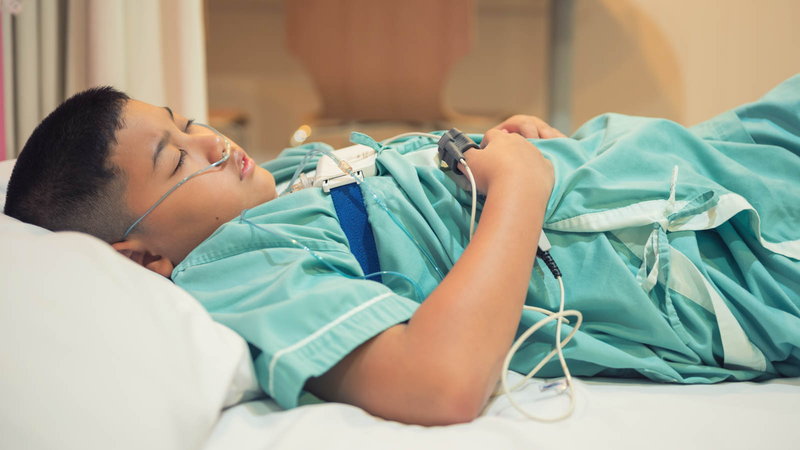
- Pauses in breathing
- Changes in color (turning blue or pale)
- Snoring
- Waking frequently at night
- Labored breathing
- Bedwetting or waking up frequently to use the bathroom
- Irritability or tiredness during the day
- Gasping for air
Causes of Apnea
- Enlarged tonsils or adenoids: During sleep, the soft tissues in the back of the throat relax. This can cause a partial blockage of air through the throat and result in a pause in breathing.
- Being overweight: Overweight children are at higher risk of having apnea. Snoring is often associated with apnea in children that are overweight. Weight loss can improve symptoms.
- Congenital abnormalities in the face, neck or throat: Problems such as tracheomalacia, a weak or floppy trachea, can cause obstructions in the airway. Your doctor will do a physical exam or other testing to look for possible abnormalities.
- Certain Medications: Certain medications can result in apnea. Carbon monoxide poisoning or exposure to certain toxins could create an episode of apnea. If mother is breastfeeding, medications that she is taking could affect baby as well.
- Prematurity: Premature infants are at higher risk of having central apnea. Because their respiratory system is immature, they may not regulate breathing as well.
- GERD (gastroesophageal reflux): GERD can cause obstructions in the airway and result in apnea. Apnea may be more frequent after feedings.
- ALTE (Apparent Life Threatening Events): ALTE is an event where a child stops breathing for longer than twenty seconds. Symptoms will be changes in color (blue lips or face), floppy or weak muscle tone, gagging or choking. If your child has an ALTE, call 911 immediately.
Treatment for Apnea
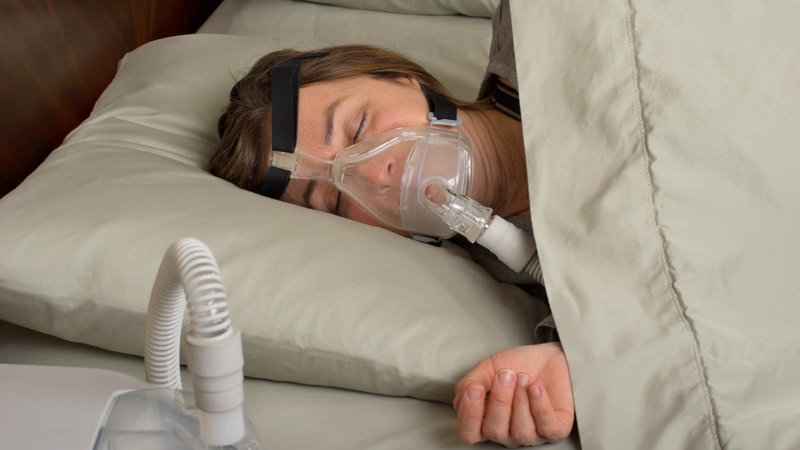
Treatment for apnea generally includes apnea monitoring. Premature infants who experience apnea while in the hospital will normally be sent home on an apnea monitor. The monitor will alarm when there is an episode of apnea or bradycardia (slow heart rate). Parents are given instructions on how to change the leads on the monitor, what to do if there is an episode, and infant CPR instructions. Other treatments for premature infants include medications, such as caffeine. Children with obstructive apnea may require surgery if they have enlarged tonsils or adenoids. Children may also be treated with CPAP (Continuous Positive Airway Pressure) if they have obstructive apnea. CPAP involves having the child wear a mask at night while they are sleeping. The mask blows air into your child’s throat at a pressure that is appropriate for you child. The increased pressure keeps the throat open and prevents obstructions from occurring while she is sleeping. This treatment is not always tolerated well by children.
Issues for Children With Apnea
Children with apnea may also have hypotonia (low muscle tone). This may be seen with other neurological conditions. Failure to thrive is more common in infants with apnea. This may be because they are using more energy to breath and therefore, burning extra calories. Other problems associated with sleep apnea are poor attention span and irritability. Not sleeping well may affect your child’s behaviors.
If you are concerned that your child may have problems with apnea, please consult your pediatrician for more information and treatment.