
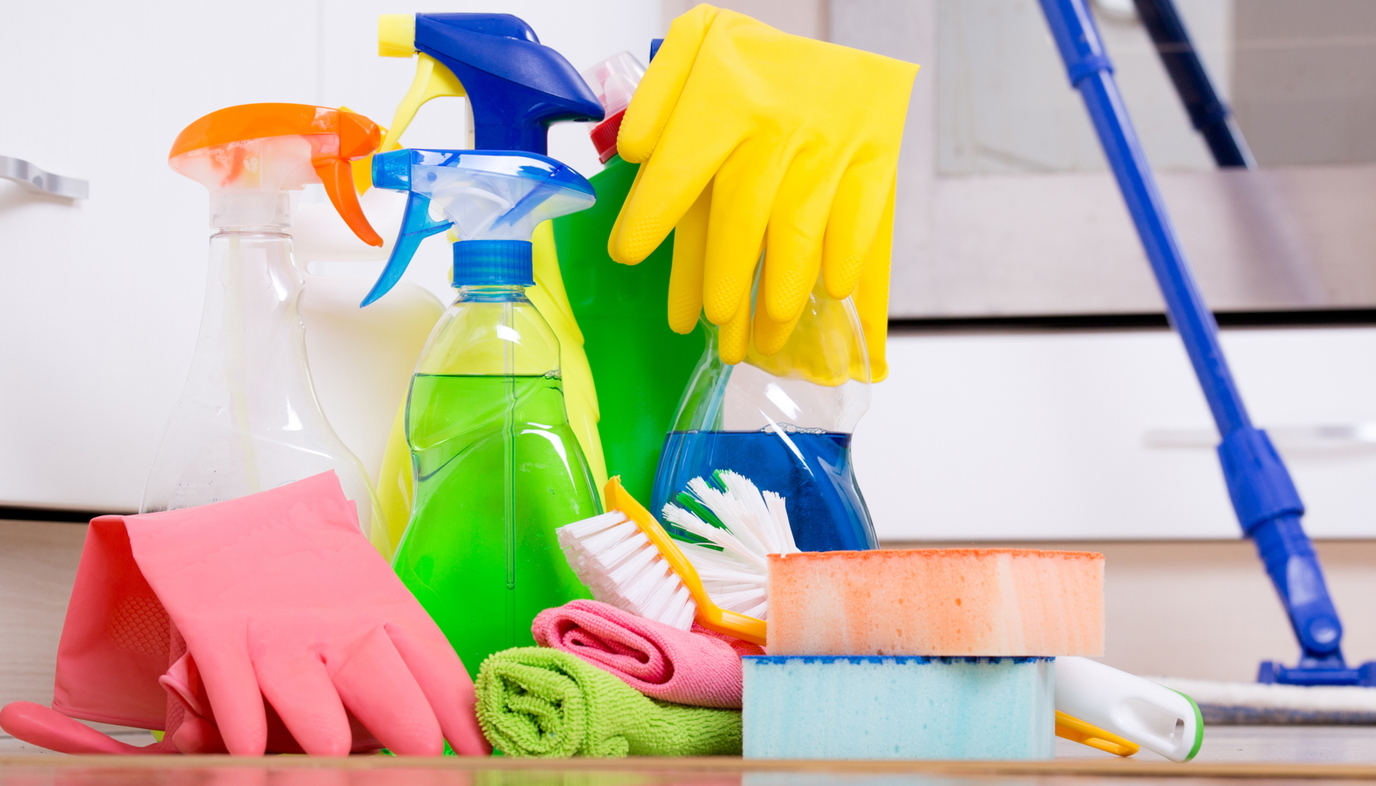
It seems that every day there’s another media report with bad environmental news, and pregnant women are especially sensitive about accidentally exposing the babies growing inside them to anything that could be harmful. Many women worry if cleaning products are safe to use during pregnancy. In fact, most cleaning products sold in the United States are tested carefully and have been ruled safe to use during pregnancy, if attention is paid to factors like ventilation and limiting direct contact.
Cleaning Products and Pregnant Women – Things to Keep in Mind
It’s almost impossible to completely avoid chemical cleaning products, and some chemicals have been linked to potential health problems, such as triclosan, which is found in certain antibacterial soaps and other household products, and nitrobenzene, which is in some furniture polishes. Pregnant women can limit their exposure to chemical cleaners by wearing a mask (so as not to breathe in fumes) and plastic gloves while cleaning, which is a good idea even when not pregnant. If weather permits, keep windows open while cleaning for good ventilation; if you can’t open a window, use a fan, especially when cleaning bathrooms and other small spaces. (Needless to say, a supportive partner who pitches in with the cleaning is also a big help!)

Houseplants can be a valuable assistant in the cleaning process; during their natural “breathing” process, plants absorb chemicals from the air and help clean the air in your home environment. Bear in mind, though, particularly if there are already small children in the house, that some houseplants can be poisonous if ingested.
Tips from the American Pregnancy Association
According to the American Pregnancy Association, “most cleaning products are safe to use during pregnancy” – even bleach. However, the Association also recognizes that pregnant women can become easily nauseated and that some are generally uncomfortable around any chemicals during pregnancy; for those women, it’s recommended that they use baking soda, vinegar, and other alternative cleaning products.
General Tips:
- Make sure that the space being cleaned has good ventilation
- Protect your skin by wearing protective gloves and clothing when using cleaning products
- Read the warning and instruction labels carefully, and if there is any specific caution about use by pregnant women, do not use the product
- DO NOT MIX different chemicals, such as ammonia and bleach, as the combined fumes can become toxic
- Avoid oven cleaning during pregnancy; this tight space is difficult to maneuver around and has poor ventilation
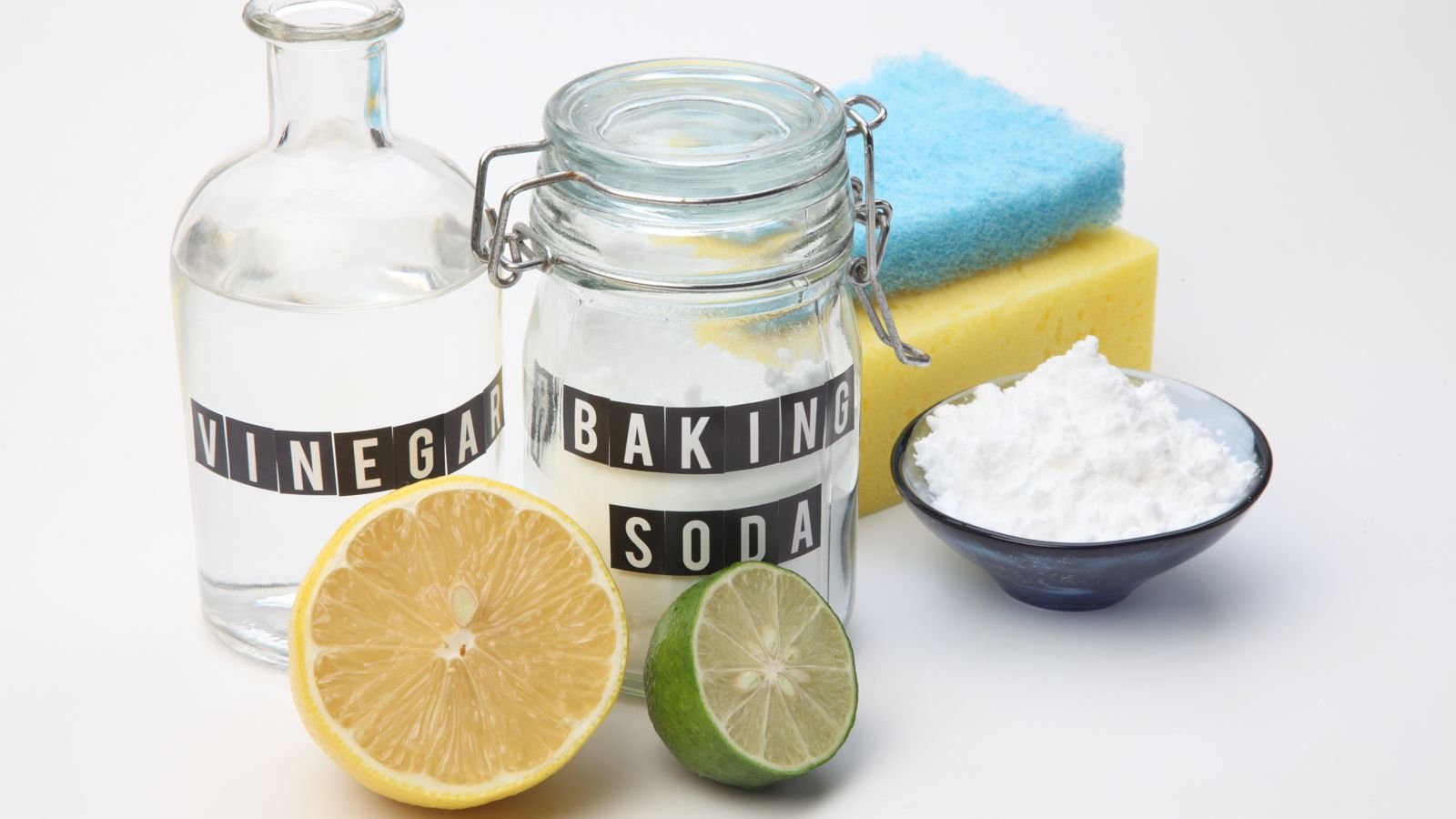
Do-It-Yourself “Green” Substitutes
It’s easy to make non-toxic cleaning products with basic ingredients many people already have on hand. Baking soda is useful for eliminating odors, removing stains, and as a scouring powder. White vinegar is a terrific all-purpose cleaner with the bonus property of killing germs and bacteria. Club soda works as a stain remover and polisher, and olive oil is a great natural furniture polisher. You can use hydrogen peroxide as a disinfectant and non-toxic bleach and stain remover. Borax is a natural bleach alternative that helps eliminate odors, remove dirt, disinfect, and deodorize.
To clean just about any surface in the house, combine 2 tablespoons vinegar and 1 teaspoon borax in a spray bottle with hot water. Shake until the borax is dissolved and add some non-toxic liquid soap. One important thing to remember: people often add essential oils to homemade cleaning products for a fresh scent, but essential oils should be avoided by pregnant women, as some can have potentially dangerous side effects during pregnancy.