

Cramping during pregnancy can be very concerning to a pregnant mother. Cramping can be mild to severe. Cramps can be a signal of a problem or just another sign of a stretching and growing uterus. The question then arises, should I be concerned about cramping? We hope to clarify some of the common causes of cramping during pregnancy.
Causes of Cramping During Early Pregnancy
Implantation Cramping
Some women will experience cramping upon implantation. Implantation usually occurs 8-10 days after ovulation. As the embryo burrows into the lining of your uterus this can cause some aching. Some women even have light spotting from implantation. Some women assume if they are cramping that their period is on its way. However, many a woman has experienced cramping only to find that she is indeed pregnant shortly thereafter.
Stretching Uterus
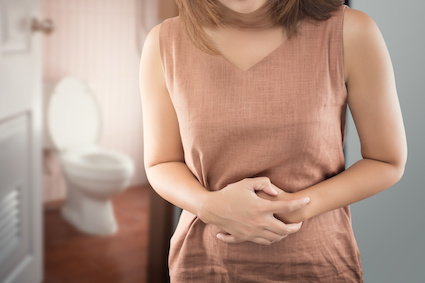
As your body prepares for its new baby your uterus will stretch and expand. There is more blood flow to the uterus, which can cause you to feel more bloated. The ligaments that support the uterus stretch as well and this stretching may cause mild cramps.
Miscarriage
Cramping during early pregnancy, especially accompanied by spotting or bleeding, is a warning sign of a possible miscarriage. Mild cramping is perfectly normal in early pregnancy.
Ectopic Pregnancy
Ectopic pregnancy is a serious condition and requires immediate medical attention. Signs of an ectopic pregnancy include cramping and abdominal pain (particularly on one side), spotting, or bleeding.
Others
Other causes of cramping during early pregnancy - constipation or gas pains. Pregnant women often have problems with constipation. Bowel changes are quite common and can lead to uncomfortable cramping as well.
Causes of Cramping During Late Pregnancy
Round Ligament Pain
The infamous round ligament pain strikes pregnant women often in their second and third trimester. As in early pregnancy, the uterus continues to stretch and grow. As the uterus expands the ligaments stretch to support it. Mild cramping may occur.
Preterm Labor
Cramping, mild or severe, diarrhea, and back pain can all be indicators of preterm labor.
Dehydration
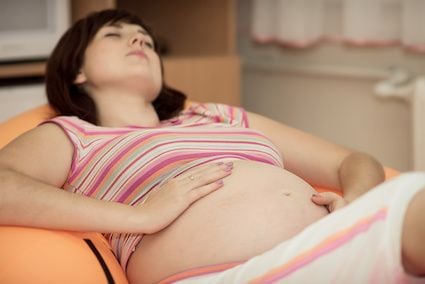
Doctors will often tell women to drink a big glass of water when they experience contractions. if you are having cramps later in pregnancy, try drinking some water and resting.
Braxton Hicks Contractions
In the second and third trimester, pregnant women will often have Braxton Hicks contractions. Braxton Hicks contractions are the irregular intermittent contractions that occur during pregnancy.
Labor
During early labor cramping and back pain are common symptoms. When labor begins it may start off with aches or back pain and not necessarily feel like regular contractions. As your baby moves further down your birth canal and your body prepares for labor this may cause discomfort and cramping. As labor progresses, your contractions will become timeable and you will feel your tummy tightening with each contraction.
Because normal pregnancy cramps can be hard to differentiate from a sign of danger, we recommend discussing any cramping with your doctor.