

For many of us, frugal living is scary. Yet, most of us would like to spend less and have more money in our pockets at the end of the month. When you start thinking about cutting down your bills, it might seem like there isn’t a lot you can do to save money. You might think of a lot of little things, but each little thing by itself might not seem significant or worth your while. Still, if you add up all the little things and do the math, you might be surprised at how much you can save. We are going to give you some ideas on little things you can do that will lower your monthly budget.
Money-Saving Strategies
1. Cut down on the unnecessary bills first. Look at the obvious bills first. If you have anything you are spending money on every month that you just really don’t need, cut this out first. Examples: monthly movie rental packages, online game subscriptions, or any cosmetic or luxury items that you could do without.
2. Lower your cable bill. Call your cable company. Eliminate any channels you are not watching or could live without. When you are on the phone with them, see if they have any offers. Your cable company may actually give you the same channels for less money, if you ask to downgrade your package. It might be a six month or one year offer but this will save you money over the six months.
3. Bundle your services. If you purchase your cable, internet, and/or telephone together, it may save you money.
4. Get rid of your cell phone or switch to a prepaid cell phone. A lot of people like having a cell phone. Cell phones used to be a luxury item, but now almost everyone has one. You might feel like this is a “must have” but cell phones are more expensive than landlines. If you must have a cell phone, consider switching to a prepaid phone service. If you are in an agreement, you might be worried about the cancellation fee. Do the math and see if the cancellation fee is more or less than the cost savings. You may end up spending less in the long run if you cancel your contract.
5. Switch your phone service. Shop around. You may be paying more than you have to for phone service. If you have the internet consider using an internet telephone service. The monthly bill is substantially lower than a traditional phone company.
6. Shop around for car insurance. Are you getting the lowest price? Do some price comparisons on your auto insurance. Consider changing your insurance policy to one with a higher deductible. If you have an older vehicle, you might consider switching your coverage. Decide if the monthly payment for collision insurance is worth paying for on your older vehicle.
7. Save money on your electric bill. It is the little things you can do that will add up. These tips might sound basic, but putting them into practice will save you money. When you leave a room, turn the lights out. Watch your thermostat. Keep the temperature as cool as you can handle during the winter and as warm as you can handle during the summer. During the evenings, you may be able to get by with adjusting the thermostat down a few degrees and using more blankets. When you leave the house, turn the thermostat down. You aren’t home, so who are you heating the house for?
More Methods For Lowering Your Expenses
8. Stop eating out. The less money you spend on eating out, the more money you will have in your pocket. If you do eat out, make wise decisions and limit how often you purchase takeout food.
9. When you go grocery shopping, write a list. Purchase the items on your list and avoid impulse buying. Have a plan for how much you want to spend. If you decide to buy something on sale, replace it with something else on your list if you have to, to keep your shopping trip within your budget.

10. Reheat leftovers. Yes, we all know how popular leftovers are, but if you save them in plastic storage containers and freeze them, they work just like having a TV dinner. This is great for the days you don’t feel like cooking.
11. Purchase meat products in family size packages or talk to your meat department about purchasing larger amounts for a lower price. Your grocer may sell you meat products at a discount if you buy it in a large quantity.
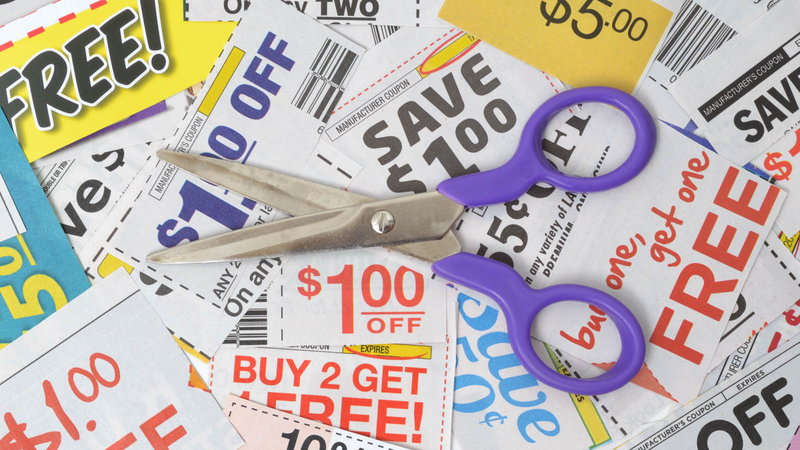
12. Use coupons. You might feel like clipping coupons is not worth the effort, but you can really save a lot of money by using coupons. Purchase your Sunday paper and cut out the coupons for products you normally buy. You can also participate in coupon swapping groups or message boards to get more ideas for where to find coupons and bargains.
13. Schedule your errands and driving time. If you need to buy stamps today, go grocery shopping tomorrow, and go to the eye doctor’s the next day, for example, you could be wasting a lot of time and money on gas. Try to condense your trips. Plan them all for one day. Try to cut down the driving time you do each day to save on gas.
14. Stop drinking soda and cut down on snacks. Soda and snacks add up. It is pretty easy to spend $2-5 a day on soda and snacks. Eliminating the nickel-and-dime items from your budget can give you back some extra money that would be better spent.
15. Stop using credit cards or pay off your credit cards. Take any savings you have made from other areas and apply it to paying off your debt. Focus on paying off one credit card at a time. It is usually best to pay off the lowest balance first. Eliminating credit card debt may add to your monthly expenses at first, but it will ultimately give you a lot more money to work with each month.