
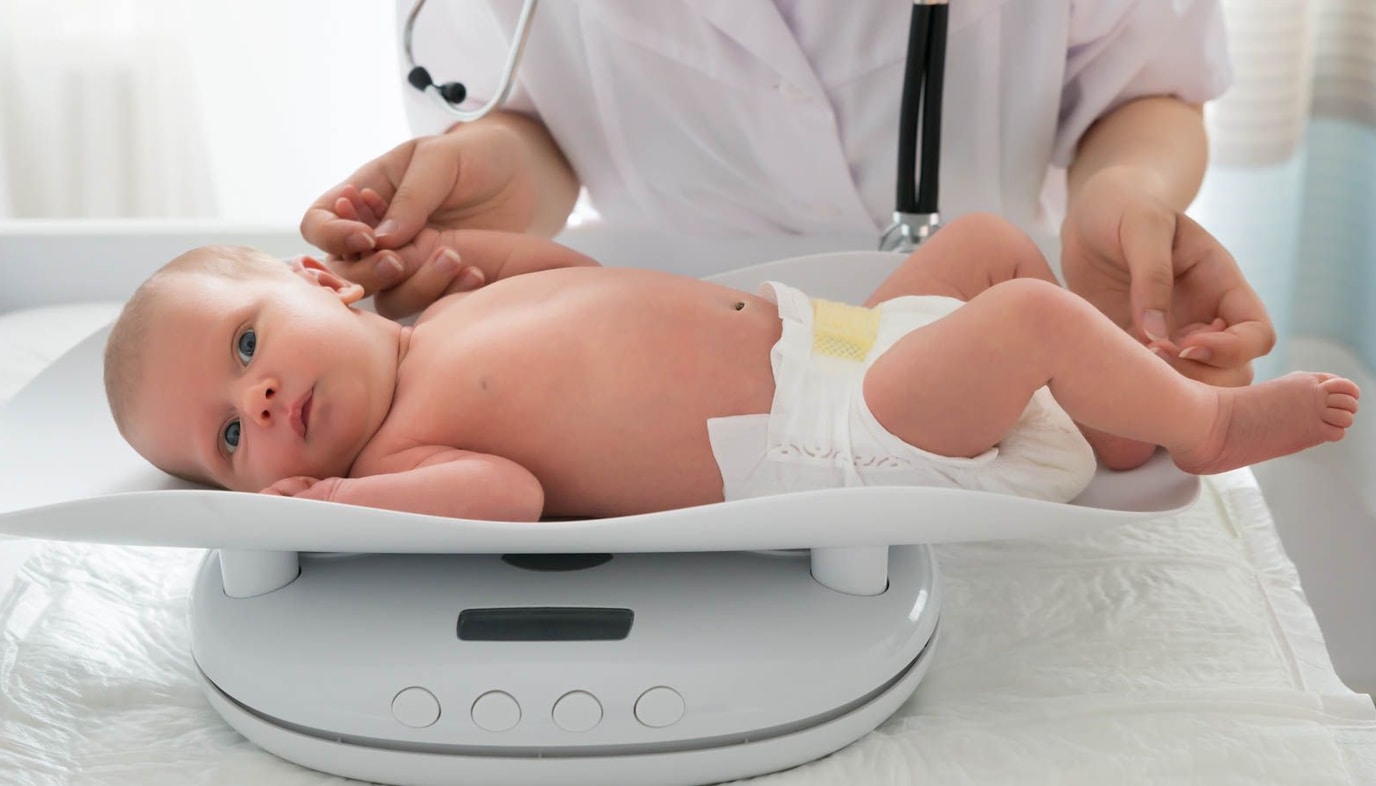
Necrotizing enterorcolitis is a gastrointestinal illness that mostly affects premature babies. Enterocolitis refers to the small and large intestines, and necrotizing means tissue death. Because NEC results in the death of gastrointestinal tissue, it is a very serious concern for a premature baby. It is more common in preemies that weigh 3 lbs 5 oz (1,500 grams) or less, but it can also affect other high-risk infants.
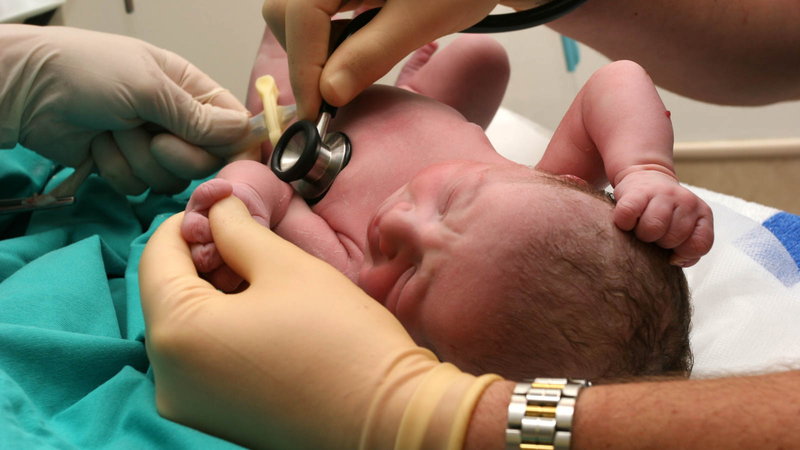
What Causes Necrotizing Enterocolitis?
Although it is not entirely clear what causes necrotizing enterocolitis, there are some theories about what could cause NEC. We do know that it generally occurs once milk feeding is started. Since preemies gastrointestinal systems are immature, one theory is that the preemie's intestinal tissues are weakened by not having enough oxygen or blood flow. As a result, when the baby’s system is introduced to milk feedings and food is moved through the weakened area of the intestines, bacteria from the food enters into the intestinal tract, damaging the intestinal tissues. Even with treatment, NEC is a serious complication for a preemie. If the bacteria continues to spread, the intestinal tissues may become severely damaged and tissue death may occur. In severe cases, tissue death may create a hole in the intestine. When the intestine is perforated, bacteria from the intestines can leak into the abdomen, causing a life-threatening infection.
Babies at Risk for Necrotizing Enterocolitis
Some babies are at higher risk for developing necrotizing enterocolitis. Some risk factors include:
- Preemies that weigh 1,500 grams or less.
- High risk babies taking milk by mouth. NEC typically is not seen until babies begin taking milk. Breast milk may be easier on a preemie’s digestive system than formula. Some experts believe the make-up of infant formula may be a factor in the development of NEC. Preemies that are breast fed are at lower risk of developing NEC, but they are not immune from it.
- Difficult delivery or low oxygen levels at birth.
- Babies with too many red blood cells in circulation.
- Babies with other gastrointestinal issues or infections.
Symptoms of Necrotizing Enterocolitis
- Abdominal bloating or swelling
- Baby not tolerating feedings well
- Decreased bowel sounds
- Feedings stay in stomach
- Greenish colored vomit (indicating bile in vomit)
- Redness of the abdomen
- Bloody stools
- Lack of bowel movements
- Other signs of infection
Diagnosis and Treatment of Necrotizing Enterocolitis

NEC is usually diagnosed by taking an x-ray of the abdomen. NEC may be diagnosed if there is an abnormal bubbly appearance in the intestines. They will also look to see if there are signs of air in the large veins of the liver or in the abdomen. Air is produced by the bacteria found in the bowels. If air is seen outside of the intestines, it may indicate that the bowel is perforated. A needle may be inserted into the abdominal cavity to aspirate fluid from the abdomen. Withdrawing intestinal fluid from the abdomen is another indicator that the intestines have been perforated.
Most of the time NEC can be treated without surgery. Stopping feedings is generally the first step in treatment. A nasogastric tube may be inserted through the nose and into the stomach to keep baby’s stomach empty. IV fluids may be given for nutrition and to keep baby hydrated. Baby may be given antibiotics to treat the infection as well. Baby will then be monitored and x-rayed frequently to make sure the infection isn’t spreading. If the NEC is severe, surgery may be necessary to remove the diseased intestine or bowel.
Feedings may be withheld for a week or longer to treat baby with antibiotics and give the intestines time to recover and mature. When feedings are resumed, baby will be monitored closely.