

PCOS (Polycystic Ovarian Syndrome) is one of the leading causes of infertility in women. Approximately five to ten percent of women of childbearing age have PCOS. Most women with PCOS don’t even know that they have it. In fact, less than twenty-five percent of women with PCOS have actually been diagnosed. Most women do not get a diagnosis until they begin trying to get pregnant. Some of the symptoms of PCOS may be overlooked until a woman starts trying to conceive a baby.
What is PCOS?
PCOS, or Polycystic Ovarian Syndrome, is a medical condition that affects women’s menstrual cycles, fertility, hormone levels, and physical appearance. Women with PCOS produce high levels of insulin. Researchers believe that excessive insulin production causes their bodies to respond by producing high levels of male hormones or androgens.
During the first half of a normal menstrual cycle, several follicles will develop. Each follicle contains an egg. As the menstrual cycle continues, only one follicle will remain. This follicle will produce the egg during ovulation. Once the egg has matured, LH levels will surge causing the egg to burst from the follicle. This is when ovulation occurs.
Excess male hormones produced with PCOS affect the production of female hormones necessary for ovulation. A woman with PCOS does not produce enough hormones to cause any of the follicles to mature. They may grow and collect fluid but none become large enough for ovulation. Some of these follicles may develop into cysts. Because ovulation does not occur, progesterone is not produced. Progesterone is what causes the lining of the uterus to thicken. A woman’s cycle will be irregular or absent without progesterone.
Symptoms of PCOS
- Irregular or infrequent menstrual cycles
- Infertility
- Increased hair growth on face, back or chest
- Multiple cysts on the ovaries
- Thinning hair
- Obesity
- Elevated insulin levels or Type II Diabetes
- Acne
- PMS or pelvic pain
PCOS and Ovulation Prediction
Because hormone levels are affected with PCOS, predicting ovulation can be difficult. Women with PCOS usually have an anovulatory BBT chart. If they do ovulate, it may be very difficult to interpret their BBT chart. PCOS may also affect the results of ovulation prediction kits. Ovulation prediction kits work by detecting LH surges. Some women with PCOS have elevated LH hormones making it difficult to use an ovulation prediction kit. The Clear Plan Fertility monitor also informs customers that PCOS adversely affects the performance of the monitor.
PCOS Infertility Treatments
- Weight loss can sometimes help to improve hormone imbalances and restore normal menses.
- Metformin improves the body’s sensitivity to insulin. It helps your body to use insulin better so that you do not produce as much insulin to control blood sugar. High insulin levels appear to be what creates the high levels of male hormones. By reducing insulin levels, male hormones also decrease. If Metformin is successful, male hormones will be lower, and ovulation will resume. Metformin is considered safe to use on women who do not have diabetes, because it affects insulin levels and does not actually lower blood sugar directly. There are also a few other insulin-reducing medications that are used in the treatment of PCOS. You will want to discuss your options with your doctor.
- Clomid (or other fertility drugs) – Fertility drugs, such as Clomid, are often used in the treatment of PCOS-related infertility. Clomid works by blocking estrogen receptors in the brain. With estrogen receptors blocked, the brain is tricked into thinking there are low estrogen levels. Low estrogen levels trigger the body to produce more FSH and LH. FSH and LH are what signal the body to ovulate. Clomid is often successful at bringing about ovulation but only thirty to forty percent of the women who do ovulate from Clomid will actually become pregnant. Metformin may also be prescribed in conjunction with Clomid. Other fertility drugs work more directly. Injections of gonadotropins (FSH and LH) work directly to stimulate follicle production and ovulation. These injections require more monitoring than Clomid and are generally used only after other options are tried first.
- Ovarian drilling is a procedure where a small needle is used to puncture tiny holes in the ovary with an electrosurgical needle. The electric current destroys a small portion of the ovary. This may result in lowering androgen levels and restoring ovulation.
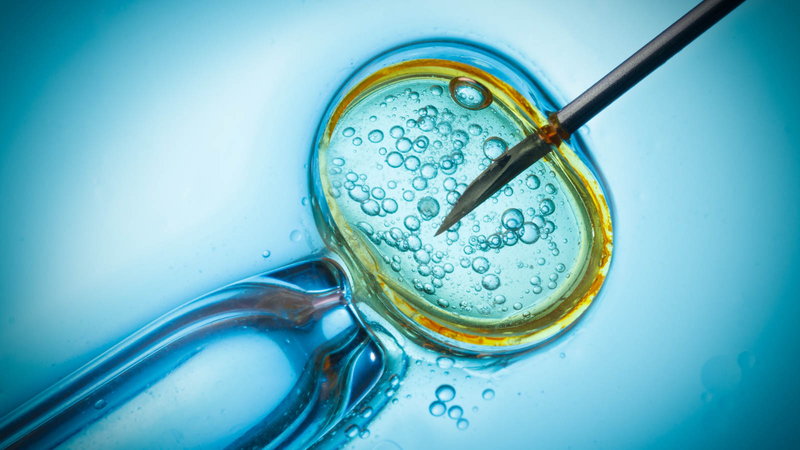
- IVM (in vitro maturation) or IVF or (in vitro fertilization) – In vitro maturation is a procedure where immature eggs are harvested early in a woman’s cycle. The eggs are matured in a laboratory and can then be used for fertilization. In vitro fertilization is a procedure where mature eggs are collected from the woman’s ovary. The eggs are then fertilized and implanted in the woman’s uterus. The difference between the two is that with IVF, medications are used to produce mature eggs and with IVM, the eggs are matured in a laboratory. IVM may be helpful for women who do not respond to drug therapy.
Consult your doctor to discuss the best treatment options for you.
Sources: www.4woman.gov/faq/pcos.htm www.resolve.org www.inciid.org