
You can have your child’s ears pierced at any age but the younger the child, the harder it may be to find someone to do it.
Care for Young Ones With Pierced Ears
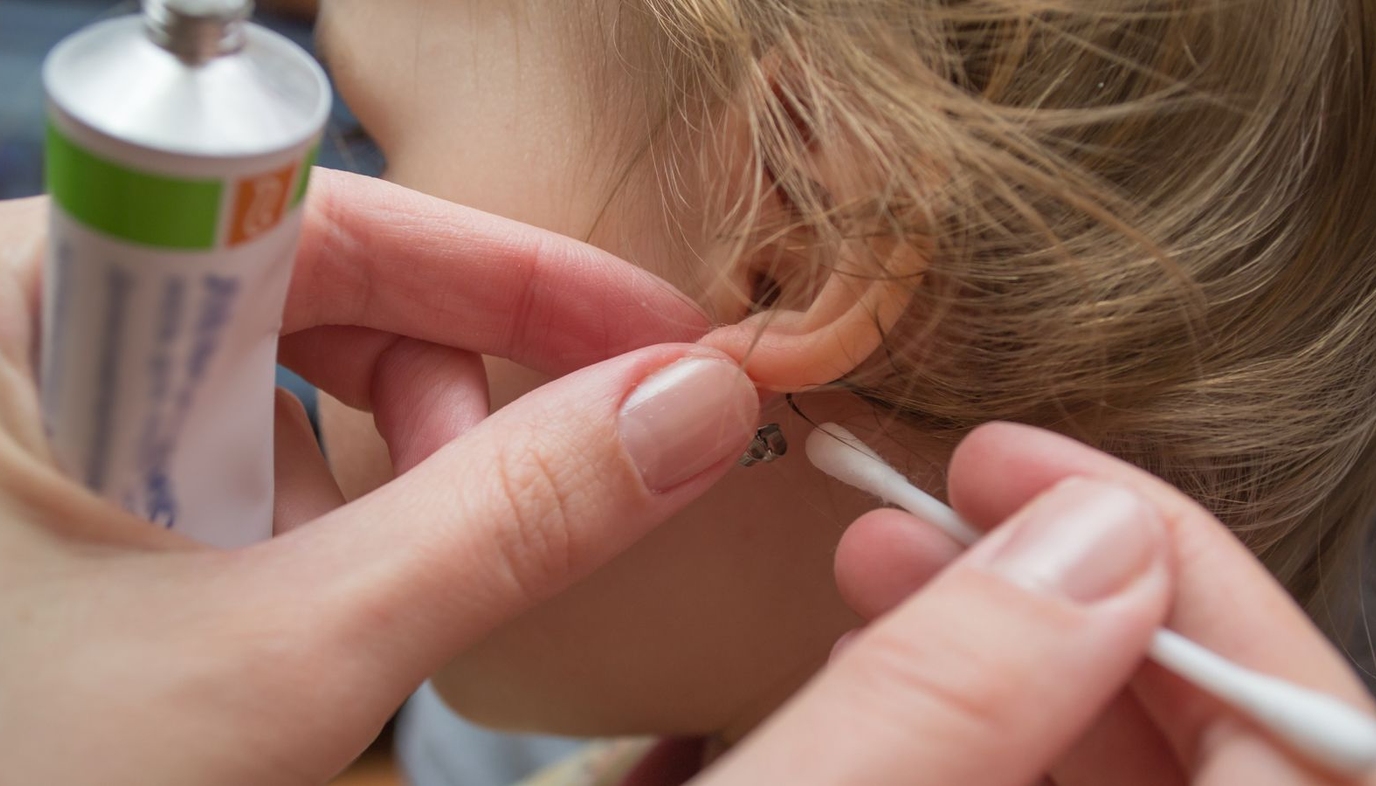
If your child is young, the easiest way to care for newly pierced ears it to clean them at each diaper change. For older kids, 2-3 times a day should be sufficient. Chances are the place where you had your child’s ears pierced would have provided you some cleaning solution.
Cotton swabs or “Q-Tips” work best. Soak the cotton in the cleaning solution or hydrogen peroxide and swab both sides of the studs. If you notice any redness, over the counter antibiotic ointment may be used to help counteract infection but depending on your child’s age, you may want to consult with their pediatrician first.
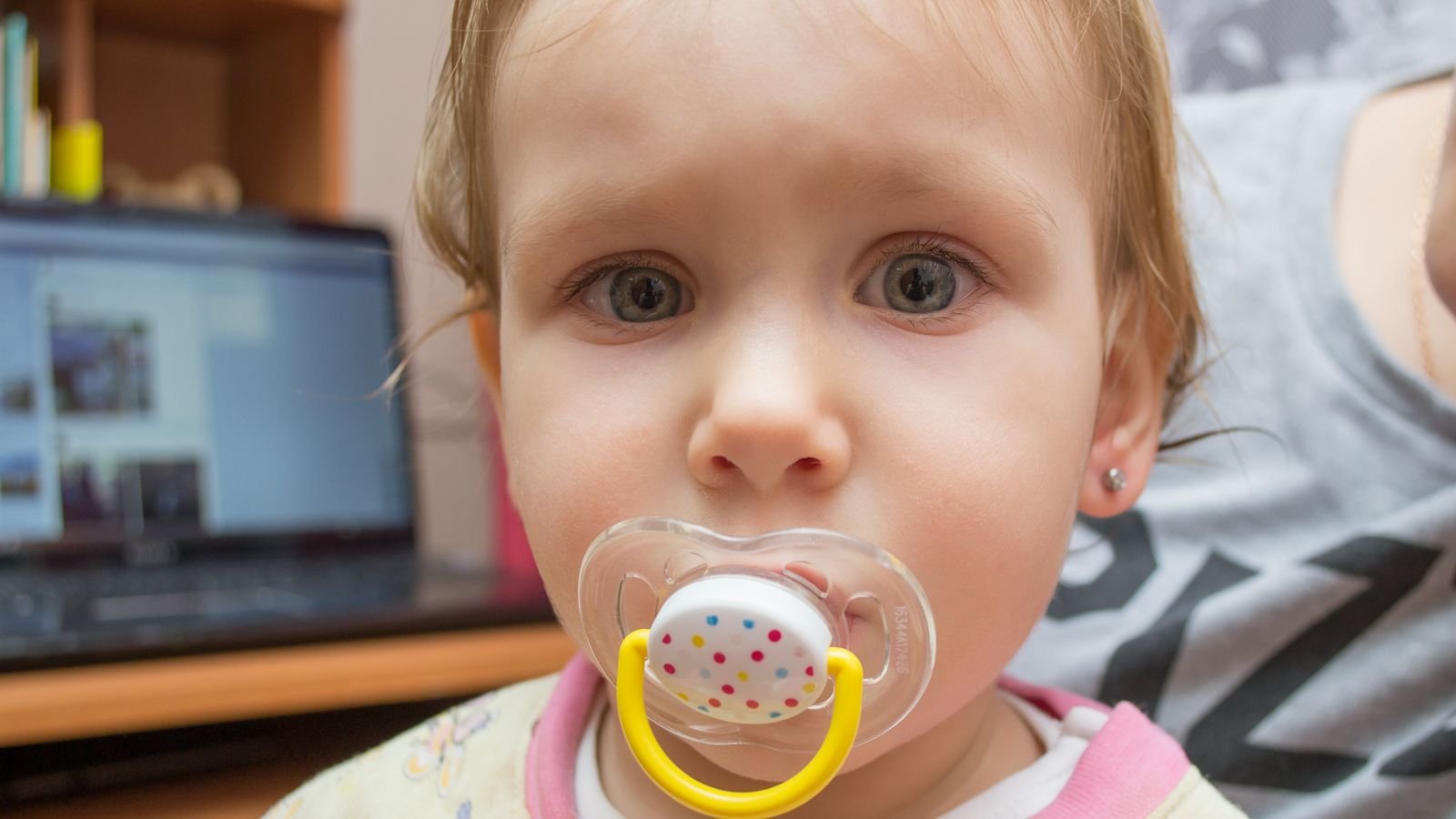
Pay attention to the instructions given at the time of the piercing. There is usually a set amount of time that the studs should be left in before they can safely be removed without causing the holes to close. While everyone is different, the general time frame is six weeks.
If you’re having a young infants ears pierced, also inquire about special studs that are used especially for young children. These lessen the chances of injury to the baby’s head from the studs.
During cleanings, make sure the clasps are not too tight. This can also cause an infection.
Keloid formation can also occur and is something to consider when having your child’s ears pierced. Keloids are bumps or scars that develop when the skin is injured. If there is a family history of keloid formation, you may want to consider holding off on having your child’s ears pierced.
Heads-Up: Tips and Cautions
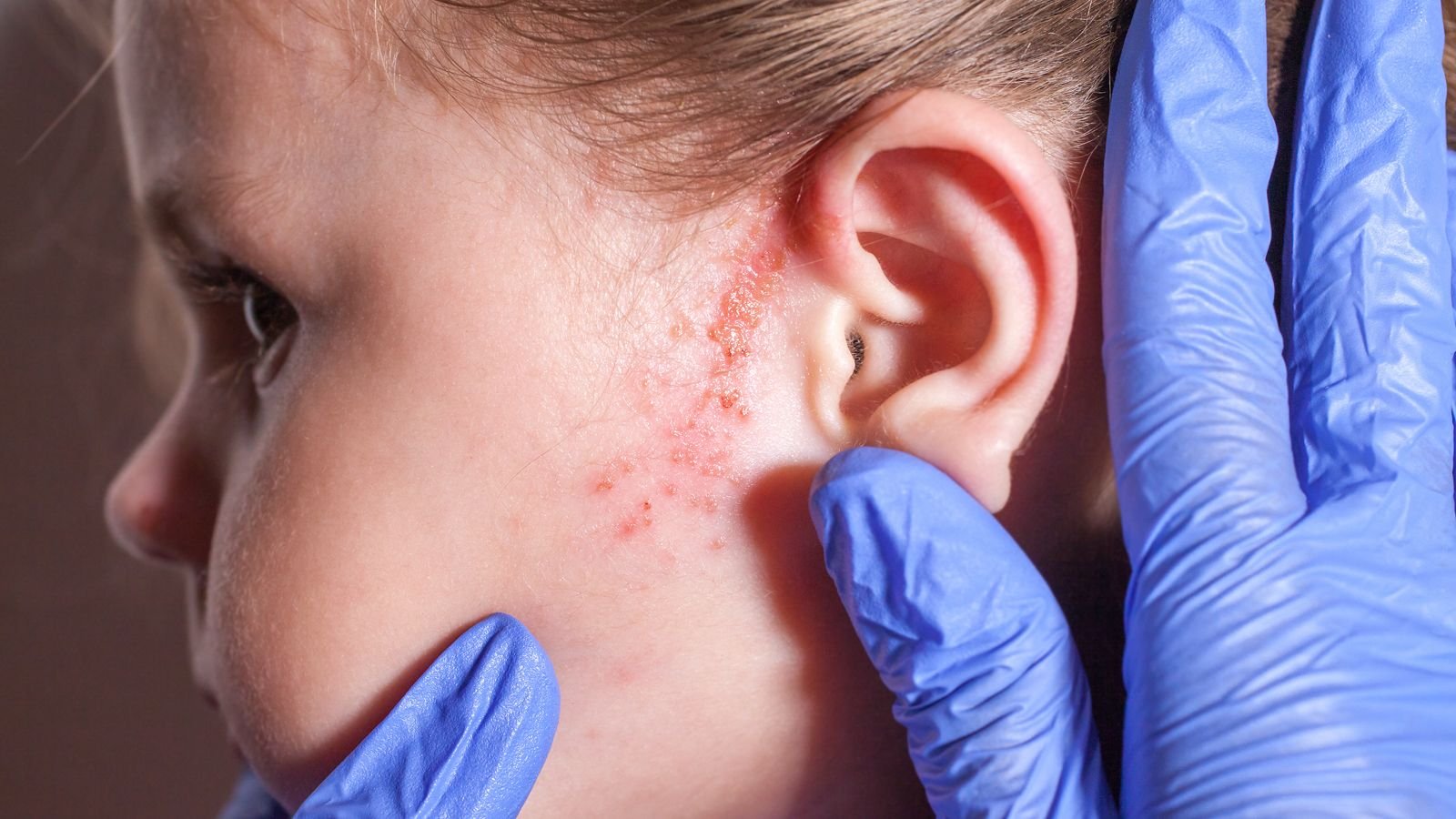
Monitor your child (of any age) for any signs of an allergic reaction. Typically, surgical steel studs are used at the time of piercing, but when you replace them with other earrings, an allergy to the metal may develop. Allergic reactions sometimes mimic the symptoms of an infection. The skin and external ear may become red, hot, and itchy. Removal of the earring should remedy the reaction. Hypoallergenic earrings should be used in that instance.
Use caution when selecting earrings for your children. Hoops and dangly earrings can catch on clothing, hair and other items which could cause damage to your child’s ear lobe.
The important thing to be aware of is watching your child’s earrings closely. It is natural for a child to play with their ears when they are pierced. It would not take much playing to dislodge an earring from the ear. This earring could then be placed in the child’s mouth and be swallowed. This is why earrings are considered a choking hazard.
Caring for a child’s pierced ears requires very little upkeep. Good cleanings help prevent infections. It is up to you, as the parent, to decide when and if your child will get their ears pierced. It is also, however, your responsibility to care for those ears.