
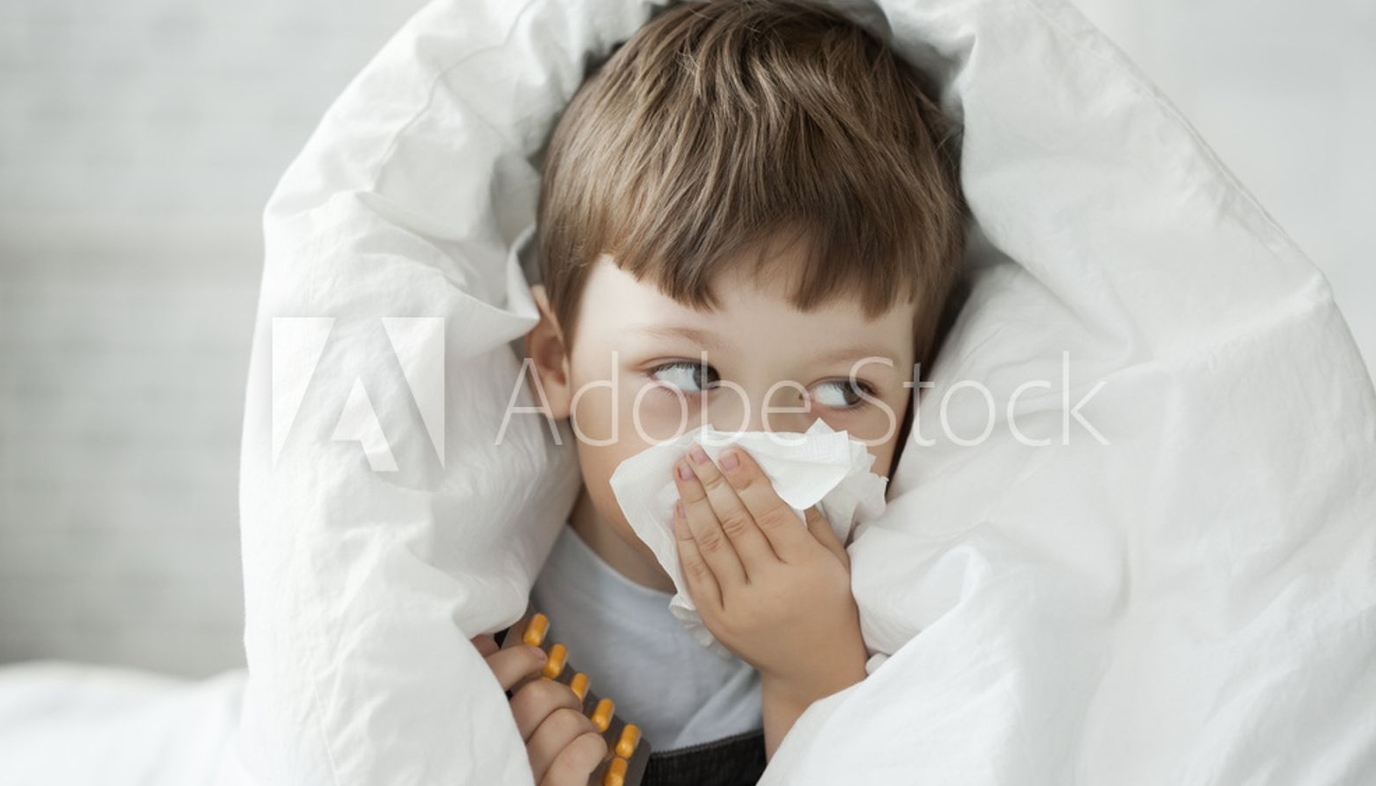
RSV, or respiratory syncytial virus, can be a frightening word to the parent of a young child. You may know someone whose child was hospitalized for RSV or maybe you've heard of RSV and are just not quite sure what is and what it can do to your child. Although RSV is the leading cause of bronchiolitis and pneumonia in children, most children will have RSV at some point in their childhood with little or no complications. In fact, RSV is a frequent cause of the ordinary, everyday common cold. Then why does RSV cause such concern? Because RSV can lead to both bronchiolitis (inflammation of the bronchioles) and pneumonia (inflammation of the lungs), parents need to be aware of the signs and symptoms and ways it may be prevented. Both bronchiolitis and pneumonia can be serious and require hospitalization and close monitoring by your physician
How is RSV, Respiratory Syncytial Virus, Spread?
RSV is spread from one child to another child when they cough or sneeze on an object and then touch the contaminated object. They then carry the germs to their eyes, mouth, nose, or other mucous membrane. It can also be spread through droplets. When you cough or sneeze, tiny droplets of the virus are sprayed into the air. If inhaled into the lungs, these droplets can also spread the virus. It is contagious from a day or two before the onset of symptoms until the illness resolves.
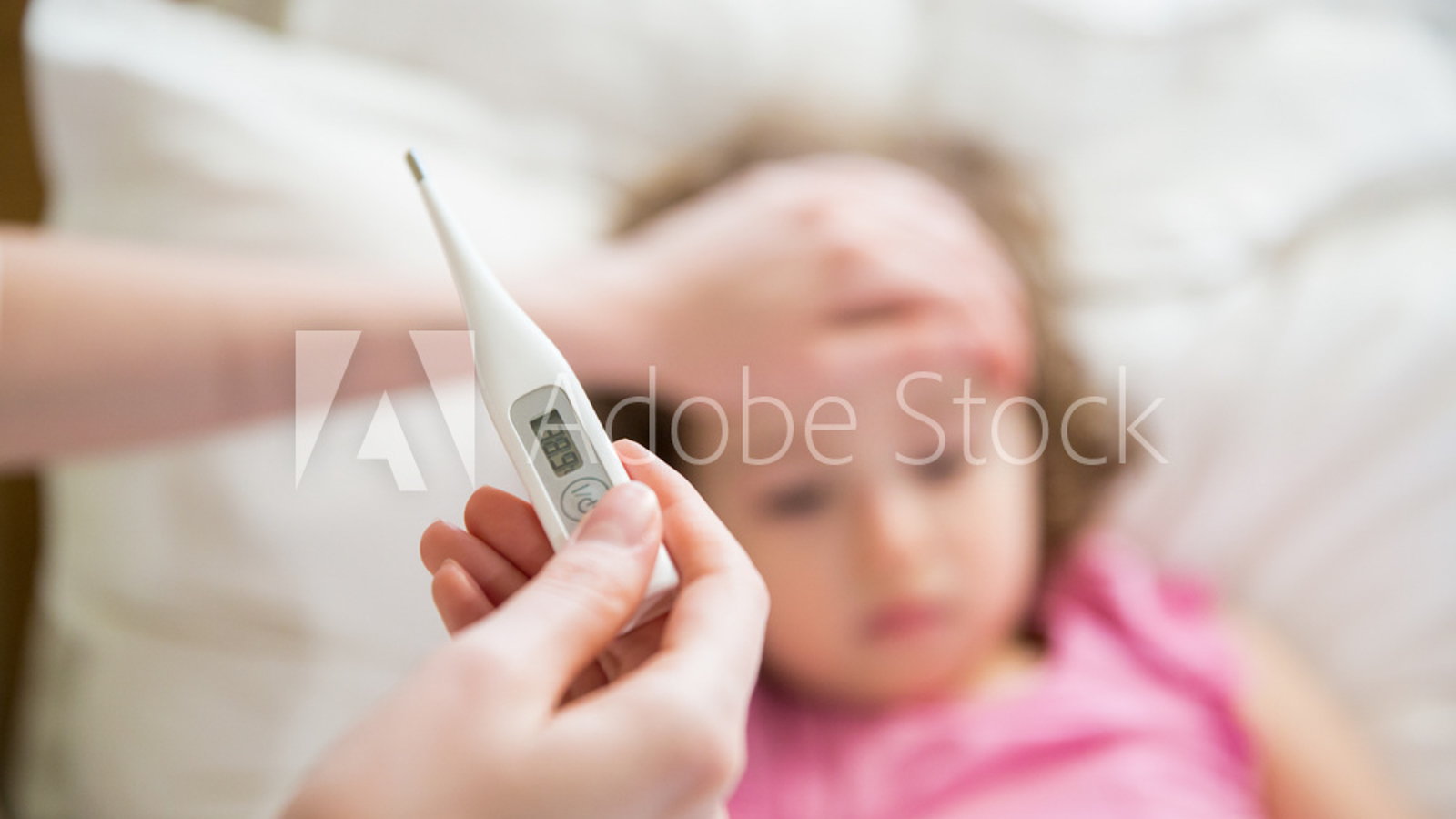
Symptoms of RSV, Respiratory Syncytial VirusRSV begins with typical cold and flu symptoms. Your child may have a runny nose, sore throat, coughing, sneezing, wheezing, and fever. As the illness progresses, you may notice increased coughing, wheezing, and discomfort. Other symptoms include headache, fatigue, loss of appetite, ear or eye drainage, and irritability. Treatment of RSV, Respiratory Syncytial VirusMost children with RSV can be treated at home and the illness usually resolves within a week or two. |
|
RSV is a virus, therefore, antibiotics are not useful in treating the illness. Children's Tylenol or Children's Motrin may be helpful in managing fever associated with RSV. Saline nose drops may be helpful to break up and loosen nasal secretions. A bulb syringe can be used to gently suction excess secretions. A cool mist vaporizer may provide comfort and help your child feel better. Conversely, a steamy bathroom may also provide relief. Run the water in your shower to steam up your bathroom. Then have your child sit on your lap outside the shower. A few minutes of steam may help loosen up any thick secretions. (Note: Do not place your child in the shower or tub with hot water. In order for the water to be hot enough to produce steam, the water might become scalding.)
Medications for RSV, Respiratory Syncytial Virus
There is no specific medication available for RSV. However, medications such as bronchodilators or corticosteroids are sometimes used. These medications are not recommended for routine use. The antiviral medication Ribavirin may be used in some cases. Use of the drug is controversial.
Tests and Procedures for Diagnosing and Treating RSV
Your doctor may order an x-ray of your child's chest to look for signs of pneumonia. She may run blood tests to look for signs of infection. Your child's oxygen levels may be monitored by using a non-invasive method called pulse oximetry. (A probe is placed around the baby's finger to measure her oxygen level. An infrared light will be passed through the capillaries in her fingers to determine the concentration of oxygen in her blood.) RSV can be positively diagnosed by collecting respiratory secretions and testing for the presence of the respiratory syncytial virus. This test may take several days for results, therefore RSV is often diagnosed based on symptoms alone.
Prevention of RSV, Respiratory Syncytial Virus
The number one way to prevent infection of RSV or any viral infection is frequent hand washing. Caregivers and children should wash their hands frequently, particularly after coughing, sneezing, using the bathroom, and before meals. Children should be taught to cover their mouth and nose when they cough, with a tissue if possible, to limit the amount of germs on their hands. If a tissue isn't available, teach children to cover their mouth with their upper arm instead of their hands. The RSV does not live long on object surfaces and cleaning with a disinfectant is recommended to kill the virus. Toys, countertops, and other surfaces should be cleaned regularly to help eliminate germs. Children should be kept home from school or a child care setting if they have cold and flu symptoms to avoid spreading the virus. Infants and newborns should avoid crowds during RSV season (typically fall and winter months).