
 by Patti Teel
www.pattiteel.com
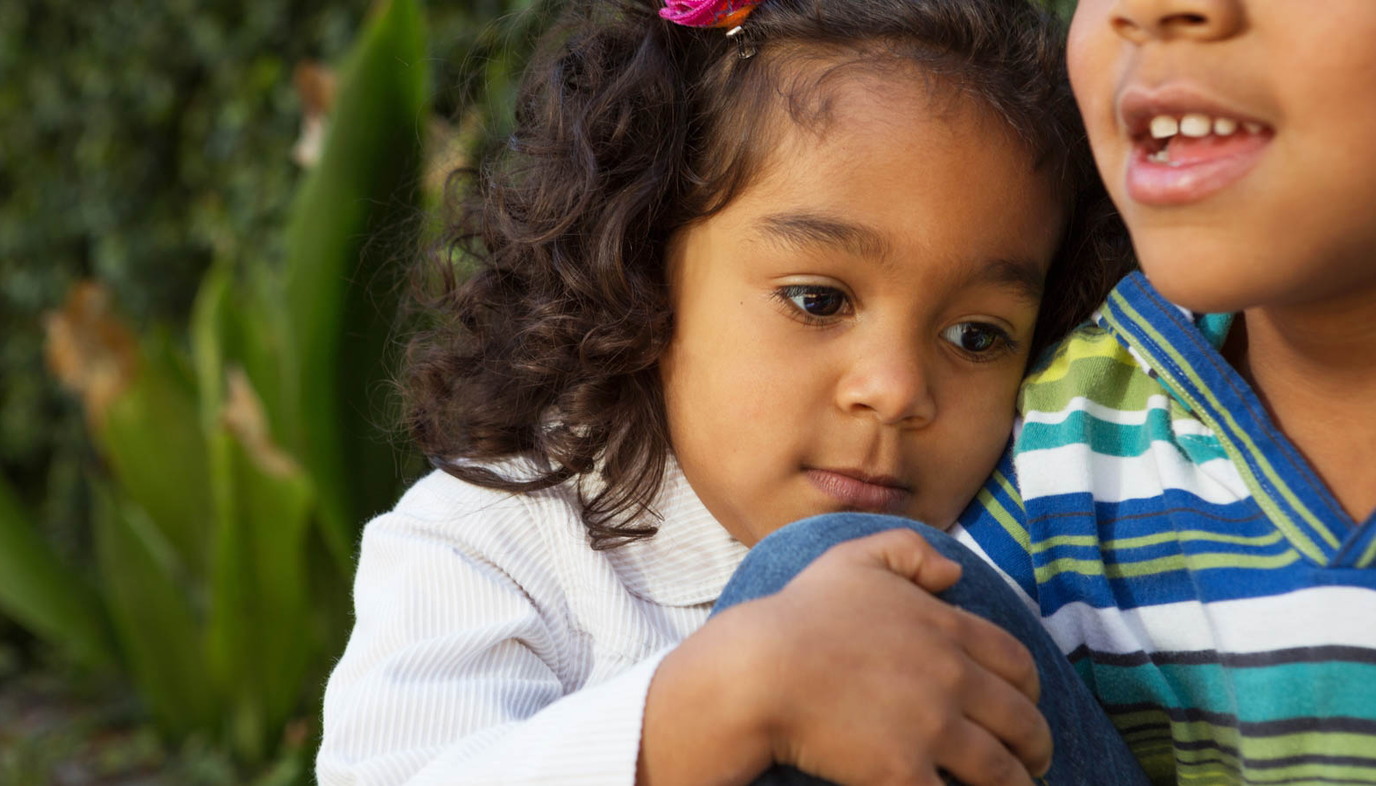
Children are likely to interpret and respond very differently to their experiences depending on their temperaments. Sensitive children are likely to be wonderfully compassionate, bright, creative, and imaginative. They may also have a difficult time dealing with stressful situations and may be prone to being worried and anxious.
Of course, every child is an individual with his or her own unique traits. We don’t want to label our children, but at the same time, it’s important to accept the nature of their temperaments. It’s particularly important that we teach sensitive kids to handle stressful situations in a healthy, effective way. When children don’t have a handle on anxiety, it’s likely to escalate when they become teenagers. Children who struggle with anxiety are more susceptible to developing depression and mood disorders, and anxious teens are at risk of becoming involved with drugs and alcohol in a desperate attempt to relieve their discomfort.
Rescuing Versus Empowering
As parents, we naturally modify our parenting to suit our child’s temperament. However, when children go to school, they will interact with all sorts of children and teachers who will be unlikely to modify their behavior to suit our child’s disposition. This can cause a sensitive child to become frustrated and anxious. There are times when it’s appropriate to step in and help our children, and there are times when they must learn to stand on their own two feet.

Parents of a sensitive child will continually be making judgment calls regarding how much their child can handle without assistance. However, whenever possible, work towards empowering your children to stick up for themselves. By jumping in to help our children too quickly, we teach them that they are helpless and that the things that happen to them are beyond their control. Learned helplessness is a surrender of the spirit. Remember, even though you’re trying to be helpful, rescuing generally shows a lack of faith and reaffirms your child’s belief that he (or she) does not have the ability to handle difficult situations.
Children Who Aim to Please
Sensitive children are often particularly susceptible and vulnerable to the actions and words of other children and adults and tend to get their feelings hurt easily. In some ways, when this happens, these sensitive children lose their childhood. Instead of being carefree and interacting joyously and freely with the world, they become overly self conscious and begin worrying about how people see and react to them. Often they “read” adults or peers as they anxiously watch for approval or disapproval. They are unable to enjoy the “here and now” as they constantly look ahead for a reward or a reaction.
“Sticks and Stones Will Break my Bones, but Words Will Never Hurt Me”
As a child, you probably remember retorting these words when someone said something hurtful to you or called you a name. As a mother of two sensitive girls, I know how hard it is to see our children’s feelings get hurt from a thoughtless or mean spirited remark. Although it can be quite a challenge to help our sensitive children not to take hurtful words personally, it’s a worthwhile endeavor and one that will serve our children throughout their lives. Sensitive children are incredible, and their sensitivity is part of what makes them compassionate, empathetic, and loving. We don’t want to change who they are. However, we don’t want them to be overly vulnerable to insensitive or rude comments and actions.
Here are some suggestions to help sensitive children get their self-worth from inside themselves, rather than from the words and reactions of others.
Practice what you Preach
Many sensitive children have at least one sensitive parent. If you are overly sensitive to slights and thoughtless or rude comments that come your way, work on changing your reaction. You can be certain that your child is watching.
Help Children Understand that Unhappy Kids can be Unkind
Begin to teach your child that what other people say has more to do with that person than with him (or her.) Elementary-school-aged children can usually understand that people sometimes say mean things when they are unhappy or upset with themselves.
Remove Poison Arrows
Teach your children that hurtful words are like poison arrows and that they need to remove them as soon as possible before they get under their skin. Get in the habit of saying “poison arrow” or “remove the stinger,” when someone says something unkind or hurtful to you, then act as though you’re actually pulling a poison arrow or stinger out of your skin. Have your child practice doing the same.
Teach Children Relaxation and Self-Calming Skills
Children become more resilient to stressful situations when they can mindfully quiet and relax themselves and interrupt the fight-or flight response.
About the author: Dubbed “The Dream Maker” by People magazine, Patti Teel is a former teacher and the author of The Floppy Sleepy Game