

Pain is an expected part of labor for the majority of women, though thankfully these days due to the miracle of epidurals, we need not suffer as intensely as our ancestors.
Understanding Back Labor
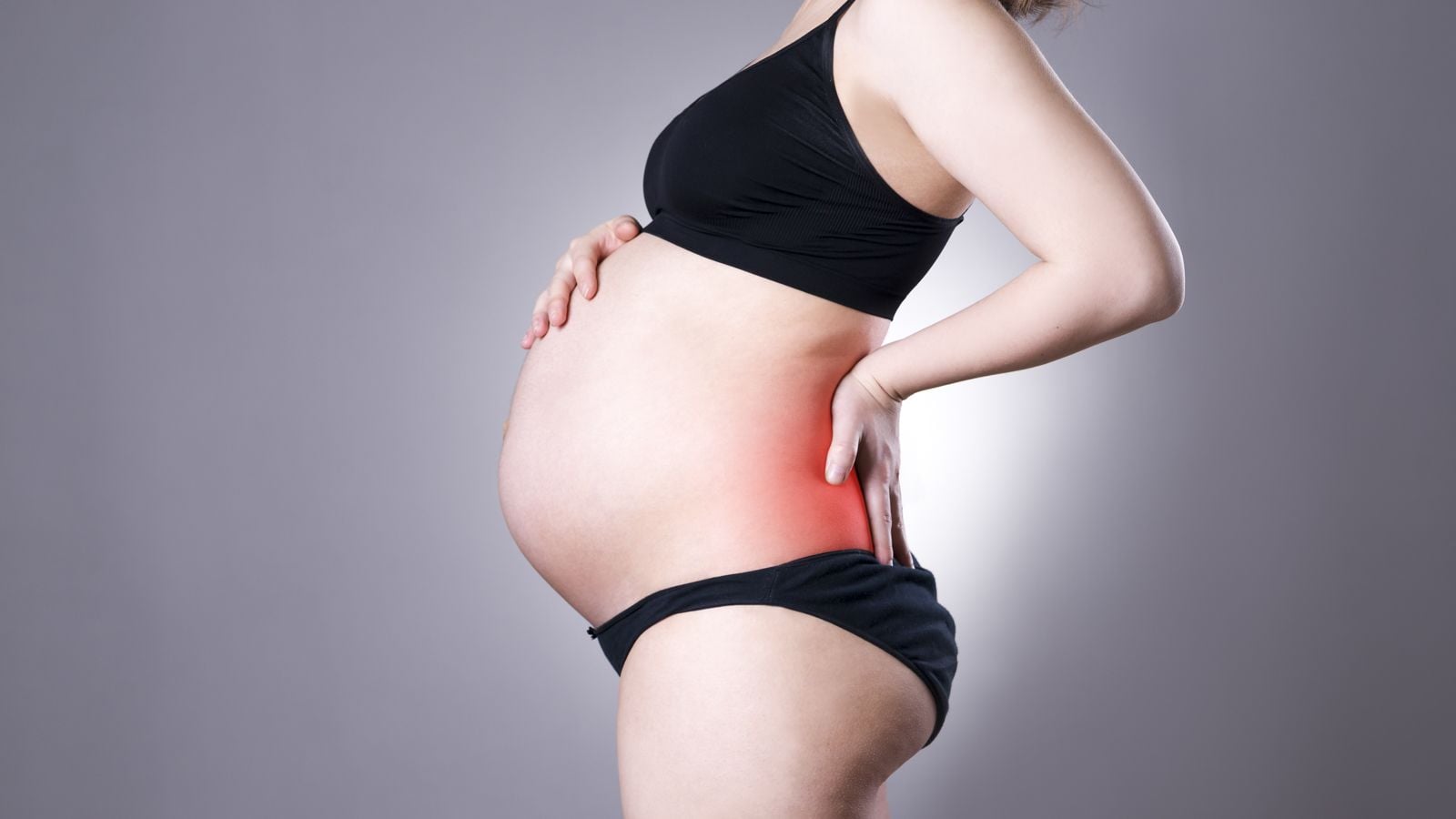
However, for one in four women, the pain of childbirth can take a more excruciating turn if they’re experiencing what is termed as ‘back labor’. Now granted, some back pain or discomfort is no real surprise after carrying this heavy weight in your body for the better part of nine months and then working your body to the point of exhaustion during hours of labor, but back labor itself is a very different kind of pain that can be frightening if you’re not precisely sure what it is and what to expect.
So what exactly is ‘back labor’? Technically it is defined as laboring when the baby is in the ‘occiput posterior’ position, meaning that the baby’s head is down but with his body facing forward. His head and body are pressing against your pubic bone and spine bringing you a new kind of agony that no amount of breathing or relaxation exercises can help you ease.
Relieving Pain From Back Labor
The doctor will try and get the baby to turn to the correct position to ease your pain and facilitate labor. He can massage your abdomen and lower back, exacting firm pressure during each contraction. You can also use pelvic rocking or you can try moving your body into different positions during labor, depending on which way the baby himself is positioned to encourage the baby to move, alleviating the pressure and pain on your pelvis.
Some doctors may try to get you to labor on your hands and knees, some beds are even now built to support these labor positions as back labor is a more common occurrence than first believed. In this position, it’s easier for gravity to help turn your baby, as is leaning on a chair. Alternating between either of these positions for twenty to thirty minutes at a time as the doctor helps to massage your abdomen and move your baby is usually all it takes to get the baby back in the right spot and ease your pain considerably.
Sometimes even walking may help gravity do its work because it works the pelvic joints and some mothers even prefer to get up and walk around for a little bit during labor as it eases their pain rather than laying in the bed. Don’t be afraid to express these wishes to your doctor.
Cold or hot compresses can be used against the abdomen and back to help ease the pain as well as the spray from the shower.
Feel free to bring along and suggest anything you can think of that your doctor may not have thought about to ease the painful pressure against your back and abdomen. He is your doctor, but you are working together to bring your child into the world, whatever you need to do to feel comfortable and make it easier to birth your baby is something you need to bring up with your doctor.
Some moms may find that if they learn that their baby is in the wrong position they can suggest giving birth in a birthing tub with water so that their back labor is also eased considerably.
Using forceps to turn the baby is sometimes viewed controversially so make sure to talk with your doctor about this beforehand so you can understand any risks and express any worries you may have. Maybe you want to suggest trying all the above methods into play before resorting to the forceps if you’re not comfortable having them used.

Doctors are now employing the use of ‘sterile water injections’ to help back laboring mothers which is exactly what it sounds like: tiny injections of sterilized water into the skin. It’s a relatively new treatment but has shown wonderfully promising results in helping ease the pain of back labor.
Previously, these injections were primarily used in the treatment to alleviate pain caused by kidney stones. The basic theory for why it seems to work so well is in how the skin’s nerve cells experience pain and transmit those messages to the brain as opposed to how internal pain caused by muscles or bone is transmitted to the brain. Internal pain is transmitted much more slowly. When the needle pricks the skin causing a temporary sting, the internal pain travels even more slowly because the brain can’t process both pain signals at the same time. This causes the internal pain to be all but completely muffled for as long as ninety minutes. The mother and doctors are now given a window of time to try and get the baby back in the right position for labor until the next spasm of internal of pain where they have the sterilized water needle at the ready for reuse.
For the majority of women, the temporary sting of the needle is well worth it compared to the agony they’ve been experiencing for the considerable relief it brings.
From birthing balls to aromatherapy lotions, there are a growing number of pain-relieving tools available to you when dealing with back labor as it becomes a more widely known condition. You do not have to suffer in silence (with the intense pain of back labor that would be quite a feat) and have every right to speak up if your doctor’s regular laboring techniques just aren’t helping you. He’s there to assist you and is certainly well trained in helping mothers give birth, but no one knows your body better than you do. Nobody is working harder than you to bring your baby into this world in the safest and ideally easiest way for both of you.