
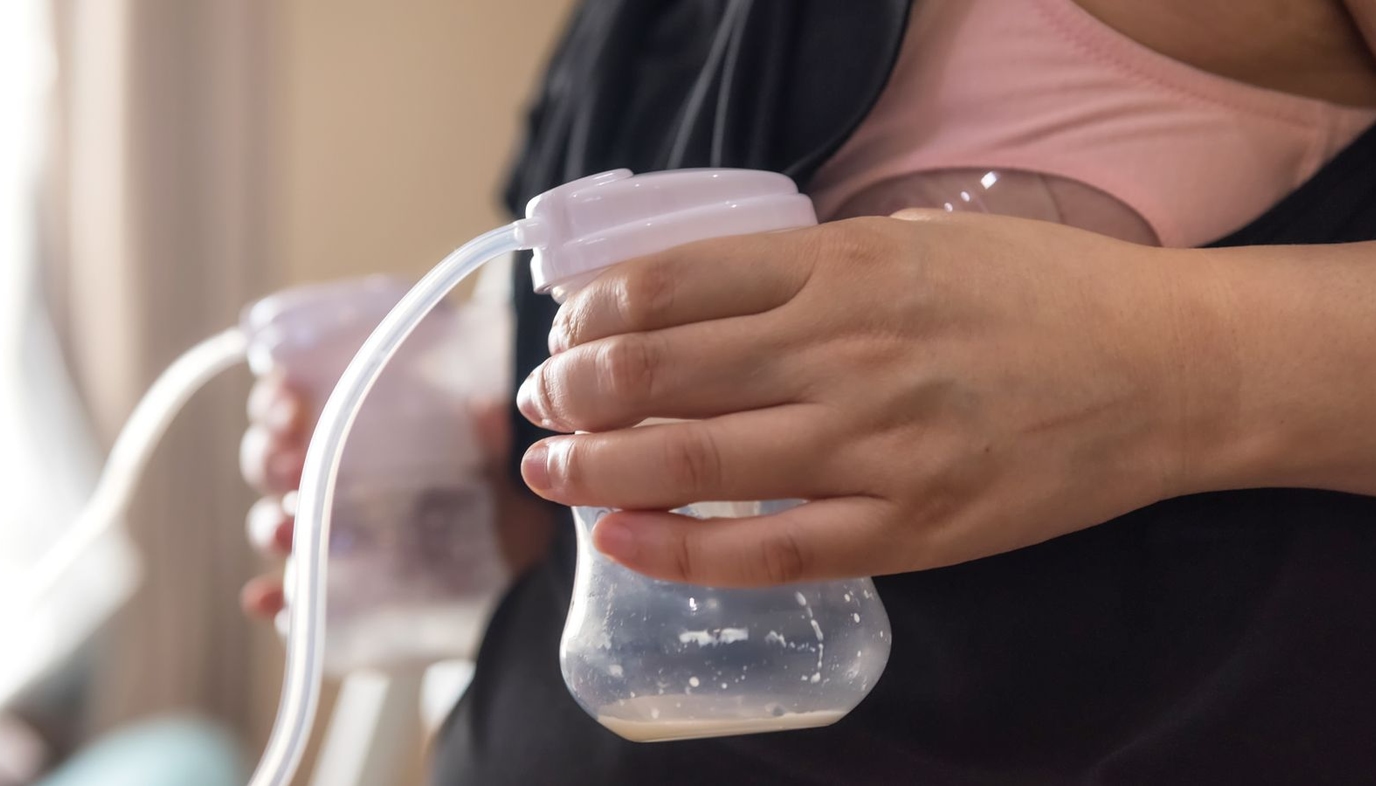
Not too long ago, it was almost unheard of for a mom to breastfeed and work full time. Formula feeding was the standard for working moms, but now many moms are breastfeeding and working full time. Choosing to breastfeed no longer means sacrificing your career. Breast pumps are more affordable and easier to purchase. You can purchase a breast pump for as little as $40 that is suitable for using at work. With more and more women choosing to breastfeed and work, the tide is turning in the workplace. More companies are accommodating moms and even providing nursing stations for their employees to pump while at work.
Breast Pumps for Returning to Work
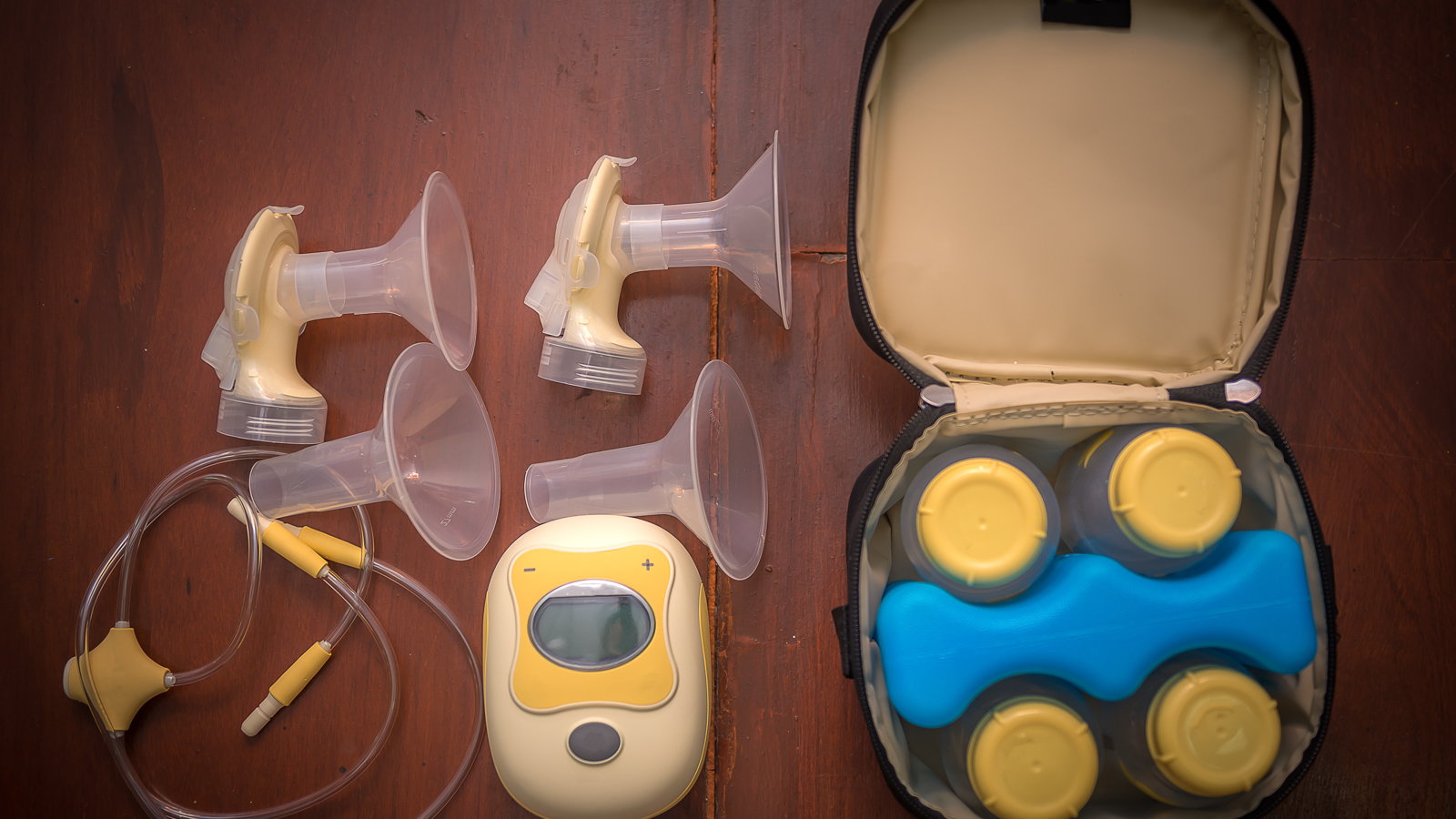
If you are returning to work, you will need a quality breast pump. If you are only working part time, a small hand pump like the Avent Isis will be perfect. It has a great reputation with working moms, and it is affordable, lightweight, and easy to use. In fact, some women will use two Avent hand pumps to double pump and get the same results as using an expensive double pump. If you plan to return to work full time, you will probably want to invest the money in an electric double pump like Medela Pump in Style or Ameda Purely Yours. You can purchase a double electric pump for around $200, depending on the brand you choose. Double electric pumps are designed for moms that are working full time or are away from baby for several hours during the day. These breast pumps are designed to mimic baby’s sucking. Suction pressure and cycling rate can be adjusted to simulate baby nursing. Another option for working moms is renting a hospital grade pump. You can rent a hospital grade pump for around $30-$40 a month. Hospital grade pumps are higher quality pumps and may be a good option for moms who are not sure if they want to work and pump. See our breast pump reviews for more help in deciding which pump is best.
Supplies for Breastfeeding and Working
- Nursing bra
- Nursing apparel (you can wear clothes that are designed with easy open flaps for breastfeeding or regular clothes. Dresses or suits may not be practical if they are not designed for breastfeeding)
- Breast pump
- Back up hand pump (it’s a good idea to keep a back up hand pump in your car or at work in case of emergencies)
- Extra parts (valves, tubing, seals, etc. A cracked seal on your breast pump will put you out of business. Keep extra parts inside your pump in case you need them.)
- Cooler or ice chest storage and bags or containers to store breast milk
- Bottles for baby (small four oz and two oz bottles are great)
- Slow flow nipples for bottles (Choose the appropriate nipple flow for your baby’s age. Slow flow nipples help with nipple confusion.)
How Much Breast Milk Does Your Baby Need?
To figure out how much breast milk your baby needs, multiply your baby’s weight times 3 oz. This will tell you approximately how much breast milk your baby needs over a 24-hour period. You can use our breastfeeding calculator to determine how much milk you will need for your baby when you return to work.
How much breast milk should you plan to freeze in advance?
The more milk you have stored in a freezer stash, the better. You can start pumping as soon as your milk comes in. You probably want to wait for a week or so until you are no longer producing colostrums. Don’t be surprised if the first time you pump you produce nothing or very little. Milk production works by supply and demand. It takes several days before your body will get the signal to make more milk for your pumping session. The best advice would be to pump around the same time each day, preferably in the morning when your body’s milk production is the best. Once you have been pumping consistently, you should start to produce milk for your freezer stash.
How Much Breast Milk Do Most Women Pump?
Pumping amounts vary. Some women can pump as much as 8 oz per breast and others only produce 1-2 oz per breast. The average woman will pump around 3-4 oz from both breasts during a pumping session.
How Do You Thaw and Prepare Breast Milk?
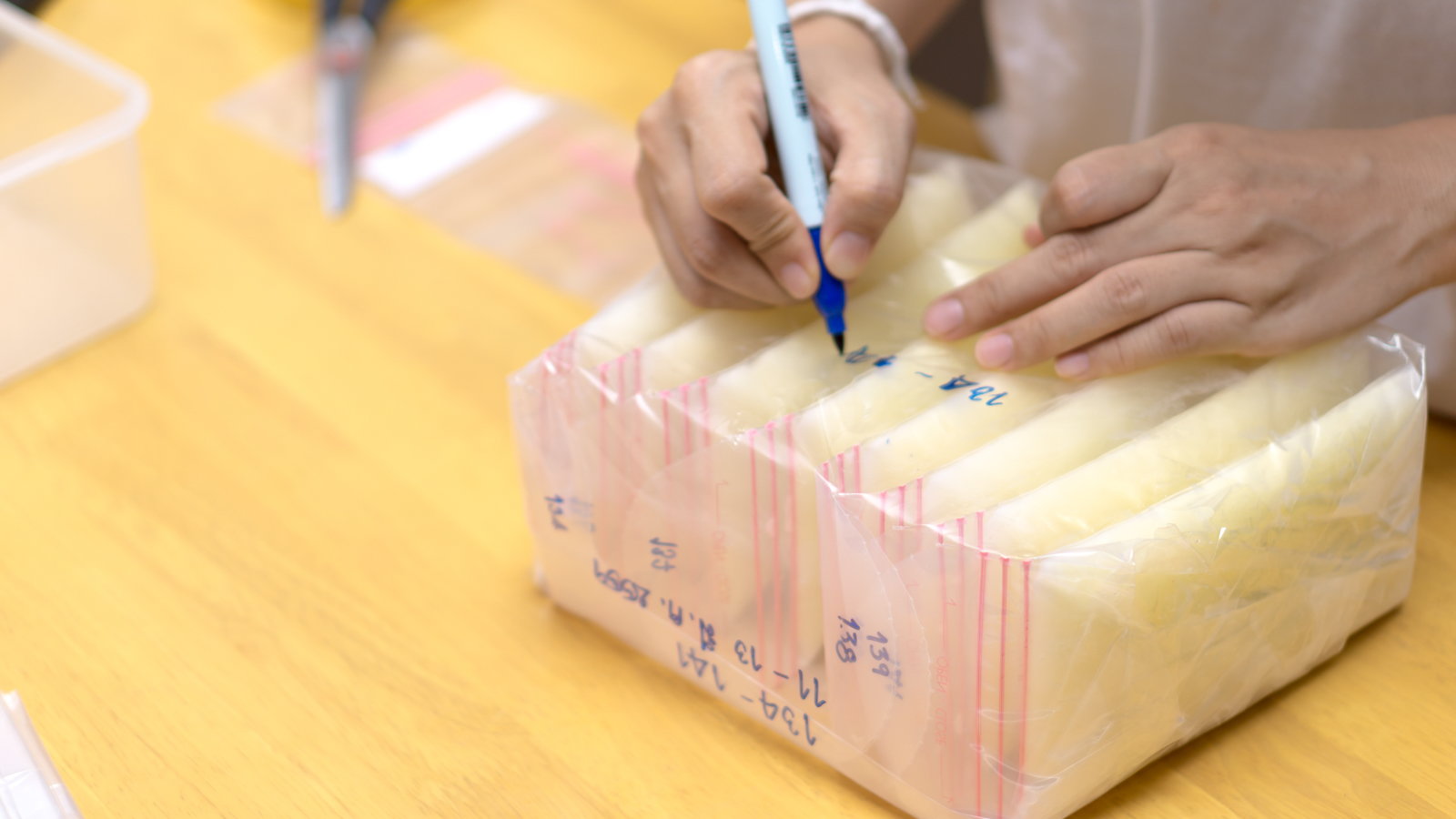
Breast milk can be stored in the freezer or refrigerator. Storage guidelines for breast milk vary, but you can safely store breast milk in your freezer for around three months. Frozen breast milk can be thawed in the refrigerator over night or thawed in warm tap water. Do not warm in the microwave or refreeze breast milk. Microwaving or refreezing will destroy components in the breast milk that your baby needs. You will notice that the milk will separate when it is in the refrigerator. This is normal. The fat will rise to the top. This does not mean that the milk is spoiled.
Preparing for Returning to Work
Before you return to work you should talk to your employer and tour your workplace. You will want to have a place where you can pump that is clean and private. Talk to your employer about possibly places that you can pump. Be confident and don’t worry about what your boss will think. Most of the time this is no big deal. You may spend time unnecessarily worrying about this, and your boss may not think anything about it. Usually this goes over better than expected. Sometimes moms settle for pumping in the bathroom without even having a conversation with their employer. Pumping in the bathroom is not a good solution. Once you have found a few options for places to pump, talk it over with your employer and see how it goes. If for some reason your direct supervisor is not cooperative, check with your company’s human resource manager or state labor department for options. Most employers are cooperative with breastfeeding moms.
Start offering your baby a bottle a couple weeks before you return to work. Some babies don’t like to take a bottle from mom, so you may want to have dad or your caregiver offer her a bottle instead. You may want to try a few test runs with your caregiver before you return to work. See how baby responds to being away from mom, how she takes the bottle, and how you feel about your caregiver. Returning to work is a hard adjustment for mom and baby. If the test run doesn’t go well, you may want to postpone your return to work or spend a little more time in preparation.
Can You Formula Feed During the Day and Breastfeed When You Are at Home?
Absolutely. It is best if baby can exclusively breastfeed for the first six months, but formula feeding and breastfeeding is very possible. Ideally, you will want to have your milk supply established first. If you plan to use formula while you are at work and continue breastfeeding, you should aim for breastfeeding exclusively for at least the first twelve weeks. After twelve weeks, your supply should be well established. You will still want to nurse as frequently as you can when you are with baby and use breastfeeding-friendly bottles with slow flow nipples. The drawback of this approach is that your milk supply will be affected. You will not make as much breast milk as you would if you were not using formula. Baby may get more frustrated at the breast if your milk supply becomes very low, so this is something you will want to factor into your decision.
Tips for Your Transition Back to Work
- Ask for at least twelve weeks of maternity leave. You may decide to go back to work at six weeks, but this way if something happens and you need the time, you have it. Your employer will be pleasantly surprised if you return to work earlier than expected but would probably be frustrated or unprepared if you do not return when expected.
- Find a babysitter close to your work. With a caregiver near your place of work, you can stop by at your lunch break to nurse your baby or if you caregiver needs extra breast milk, you can drop off extra milk for her.
- Return to work in the middle of the week. Starting on a Thursday or Friday will make things a little easier on you.
- Work part time if you can. You may want to work part time or see if you can work shorter shifts. If this is something you can afford to do for a while, this may help. Working part time and breastfeeding may be easier for you and baby.
- Nurse baby more frequently in the evening. This will help make up for some of the time away from baby. Some babies will completely reverse their feeding schedule (called reverse cycling) so that they can breastfeed from mom instead of taking a bottle.
- Make sure to drink plenty of water while you are at work. Staying hydrated will help you to pump more milk.
- Have a support system. Working and pumping is a lot of work. Talk with other moms who have breastfed and worked or join your local La Leche League for support.