
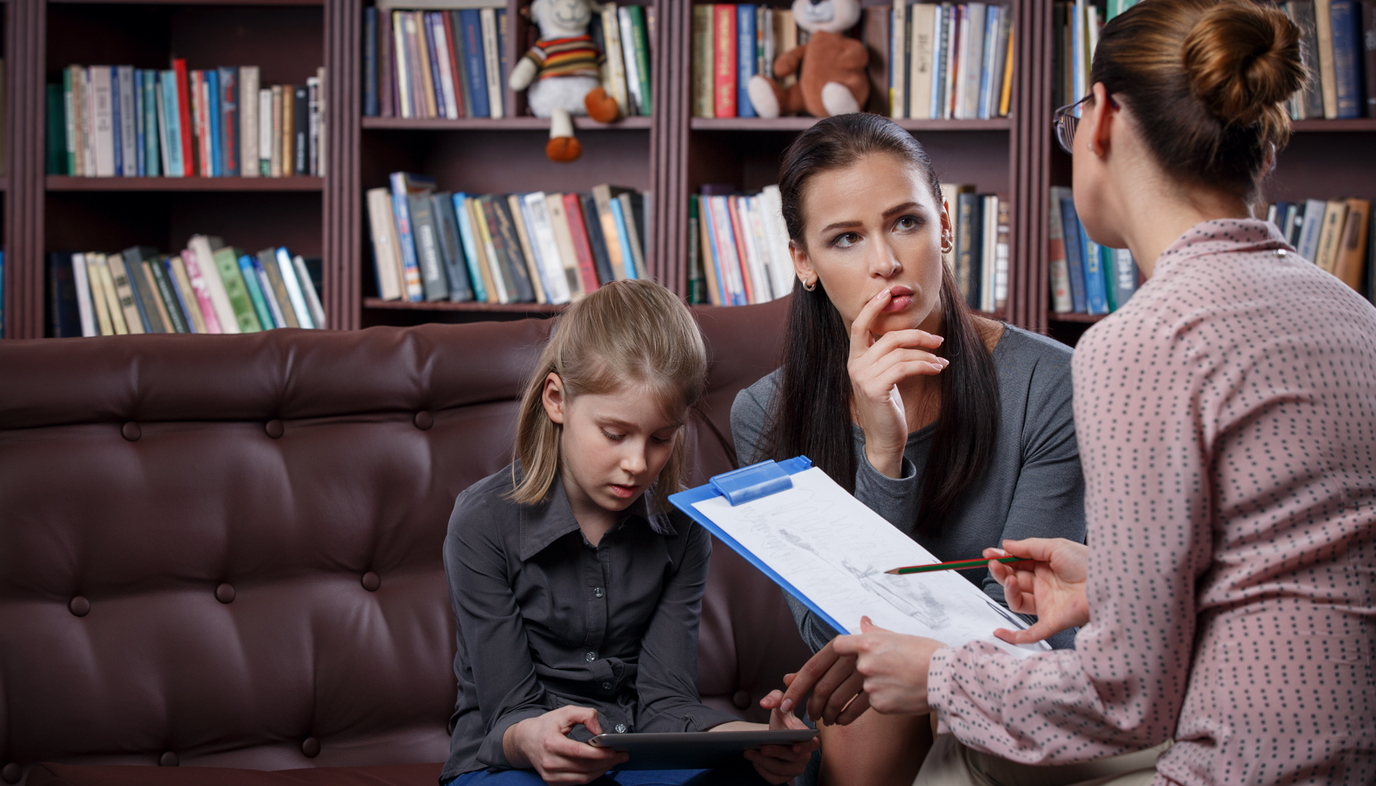
What do you do when you and your child’s teacher disagree? Perhaps you don’t see eye to eye on the methods your child is being taught or evaluated with. Or maybe you feel like your child is being treated unfairly. What about homework? Do you feel that your child is being given too much homework or expected to do too much? Sometimes parents just don’t care for their child’s teacher and do not have a particular reason for their feelings. It is not uncommon for parents and teachers to disagree. There are some things you can do as a parent to make the situation better and to ensure a healthy relationship between you and your child’s teacher.
You Don't Have to Like The Teacher for Him/Her to Be Great
Think back to when you were in school. Did you ever have a teacher you just didn’t like? What were your reasons? Was it because they were too hard on you as a student? Did they make you write sentences or correct you for being disruptive in class? Maybe you just didn’t like the way they looked or their personality? We have all probably had a teacher that we remember not liking in school. However, just because we didn’t like the teacher, didn’t mean he/she wasn’t doing a good job.
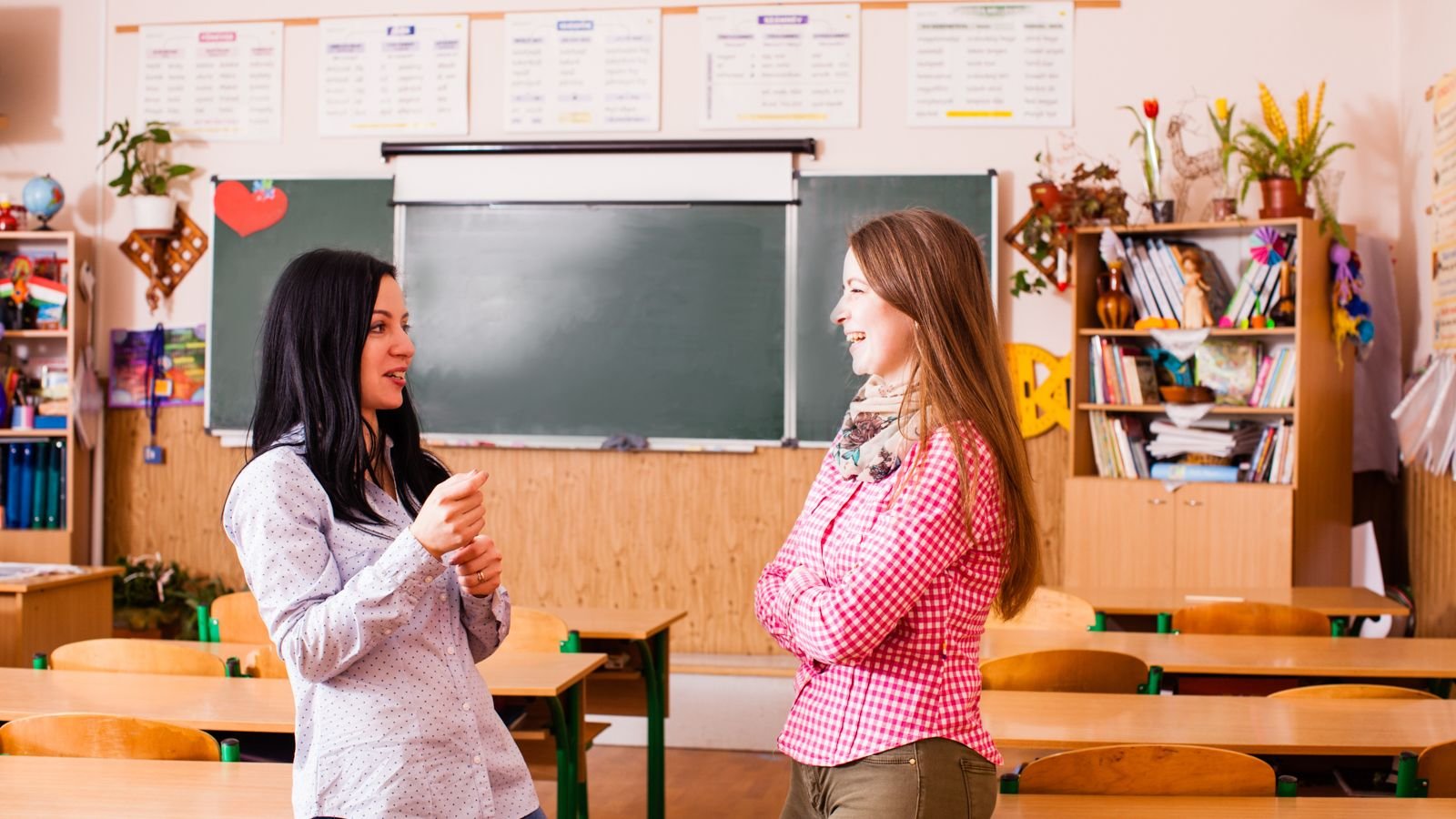
The same thing may happen now that we are adults and have children of our own. Your child may have a teacher that for one reason or another you just don’t like. Keep in mind that personalities are different. Your child’s teacher may have a different personality or approach to handling situations with your child than you have, but that doesn’t have to be a bad thing. It is okay for parents and teachers to not have the same philosophies on everything and it is okay for personalities to be different.
Be Respectful of Your Child's Teacher
No matter how you feel about your child’s teacher, you should always be respectful. Remember she is a person too. Consider her feelings when you talk to her about your child. Put yourself in her shoes and treat her with respect.
Avoid Playing the “Blame Game”
Parents and teachers often blame each other for problems that are going on with the child. For example, the teacher may be frustrated with the parent’s lack of involvement, and the parent may feel overwhelmed with the teacher’s expectations. Instead of getting angry with the teacher, why not talk things over with her? If the teacher sends home notes to be signed, try to send them back in. This is one of the ways she communicates with you. If you are having a difficult time getting your child to do his homework or bring notes home, talk to his or her teacher. Let her know what is going on and why you are having difficulties. Maybe the two of you can come up with a solution if you talk things over without being angry or blaming.

Use Discretion When Talking About the Teacher
Be cautious about what you say and whom you say it to. You do not want your child to overhear negative comments made about his teacher. It will cause confusion for the child and may cause the teacher to feel that she is being undermined. Talking about your child’s teacher with other parents may cause tension between the teacher and parents. It is better to talk to the teacher directly. Furthermore, you do not want something you said repeated to the teacher or other students incorrectly.
Talk to the Teacher Directly
It is usually best to talk to the teacher directly. Don’t you prefer for someone to talk to you about a problem first before going over your head to talk to someone? Teachers deserve the same respect. Talk to your child’s teacher first about whatever problems you may be concerned about. Be open to not only talking, but also to listening.
If these methods are not working, you may need to discuss things with the principal or a school counselor. Sometimes it is necessary to find other alternatives when parents and teachers are not getting along.