

For many women, finding out they are going to be a new mother is one of the best feelings in their life. Every moment of pregnancy brings overwhelming feelings of joy and anticipation of the new arrival. Getting pregnant and giving birth is truly a miracle. What happens when things don’t work out this way? Where do you turn when something you think should make you feel wonderful ends up making you completely miserable? Read on to find out just how common these feelings and depression in general during pregnancy are.
Understanding Hormonal Shift
The instant one of your eggs is fertilized, great hormonal changes take place. Your body starts secreting hormones that work to maintain your pregnancy. Each day your hormone levels (specifically HcG-the same hormone that is detected with a + on home pregnancy tests) increase. These increases are one of the main culprits of morning sickness and the ever-common “mood swings” of pregnancy.

Hormonal changes are not the only ones taking place. Major changes to the body are also taking place. It’s not easy for a lot of women to deal with the physical changes that occur during pregnancy. Often breasts and the “back side” grow right along with the belly. Feeling “fat” and insecure, added to the constant hormone surge, makes it no wonder so many women go through their trimesters in agony.
Physical and hormonal factors are not alone in some of the reasons a woman may experience depression while pregnant. Women who have been dealing with depression before often find that pregnancy escalates their symptoms. Many of the prescribed medications used to treat depression are considered less than safe for pregnancy use. If this is the case, whatever positive change that came from the drugs is no longer occurring. This means the depressed woman has to find other alternatives to treat their depression. For some, medication is the only option. These women have to choose whether to keep taking the medication or suffer.
Circumstance and Pregnancy Feelings
Becoming pregnant when it wasn’t planned leads a lot of women down the road to depression. A woman in this circumstance may also be dealing with other factors. Perhaps she wasn’t/isn’t in a steady relationship or doesn’t know if she is going to keep the pregnancy. Maybe she already has children and doesn’t know how she is going to raise/support another child. Many women find that although their partner has been supportive, once they become pregnant, the support is no longer there. The fear of raising a child alone or not under the best circumstances often times adds to the depression.
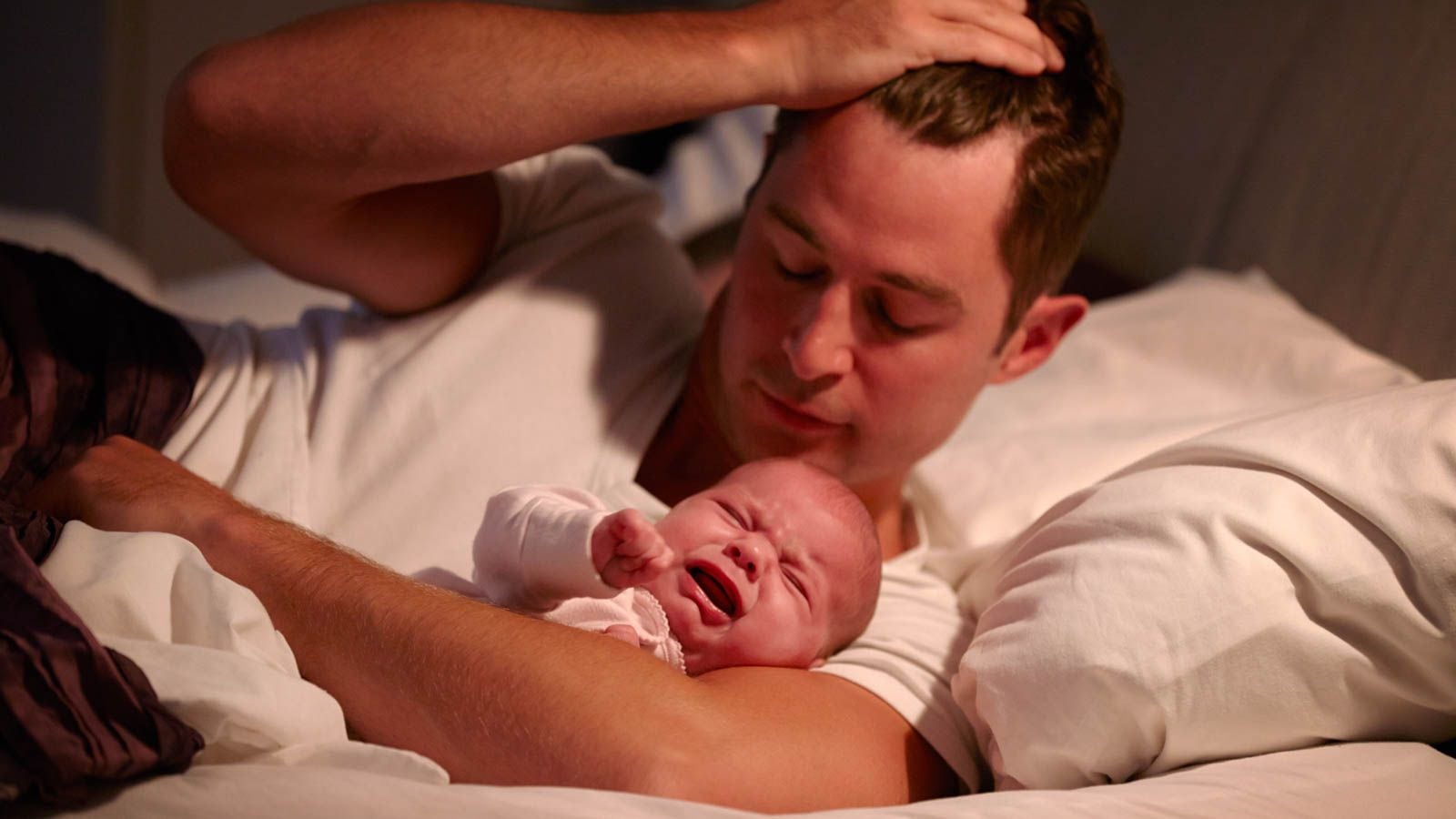
Adding to the non-supportive partner factor: men don’t get pregnant, women do. Men do not get to bond with their baby like a woman does. Men do not get the hormonal fluctuations, the body appearance changes, and the maternal instincts like women do. What could seem like a totally unsupportive partner could just be a clueless one.
Women who have high stress levels in their lives or even great difficulty becoming pregnant often feel the most depressed. This group of women is also the most likely to stay quiet about their feelings.
Women can also become depressed during pregnancy for no apparent reason at all. A happy-go-lucky person with a planned pregnancy is just as likely to suffer from depression during pregnancy as a woman who has dealt with depression most of her life.
An important thing to keep in mind is that ladies who experience depression during pregnancy are that much more likely to experience postpartum depression.
Depression during pregnancy is very common. Actually, it’s more common then research would lead us to believe. The fact of the matter is that many women don’t feel comfortable admitting when they have less than joyous feelings towards their baby or even themselves in general.
The best advice I can give to any woman who feels at loss with their feelings is to be honest with themselves. Pretending you don’t feel the way you do or telling yourself that you’ll just ‘get over it.’, is not healthy. There is no reason to suffer.
Talk to your mother, your sister, your best friend, even your partner. Let someone know how you’re feeling. Just opening up could be the key to you feeling better. It’s also good practice with saying how you feel about this topic. If your thoughts, feelings, and sadness do not improve, call your doctor. The longer you let it go, the longer and more painful things can become.
Always, always, always remember that this is normal. There is nothing wrong with you for feeling the way you do, but help is there when you need it.
© Rebecca Pillar 2007