
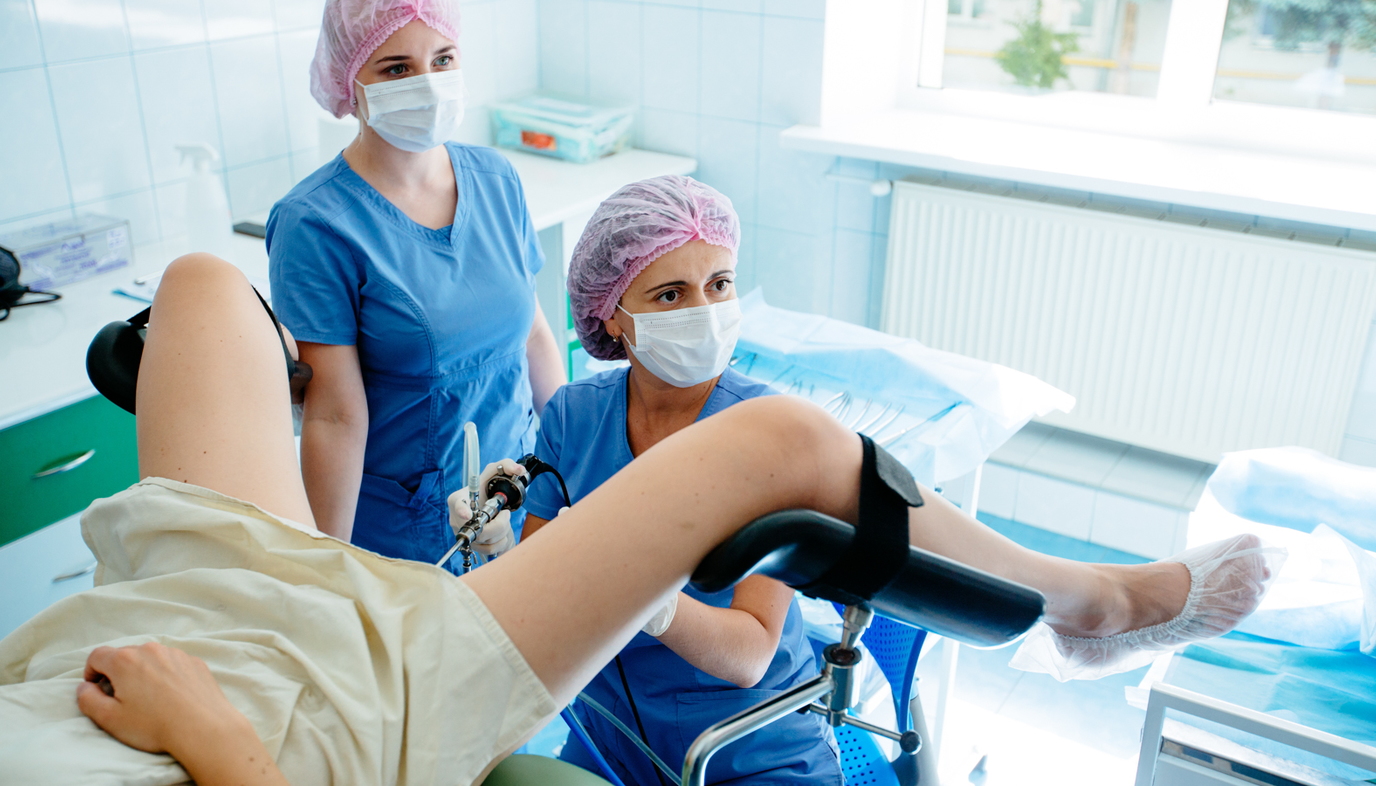
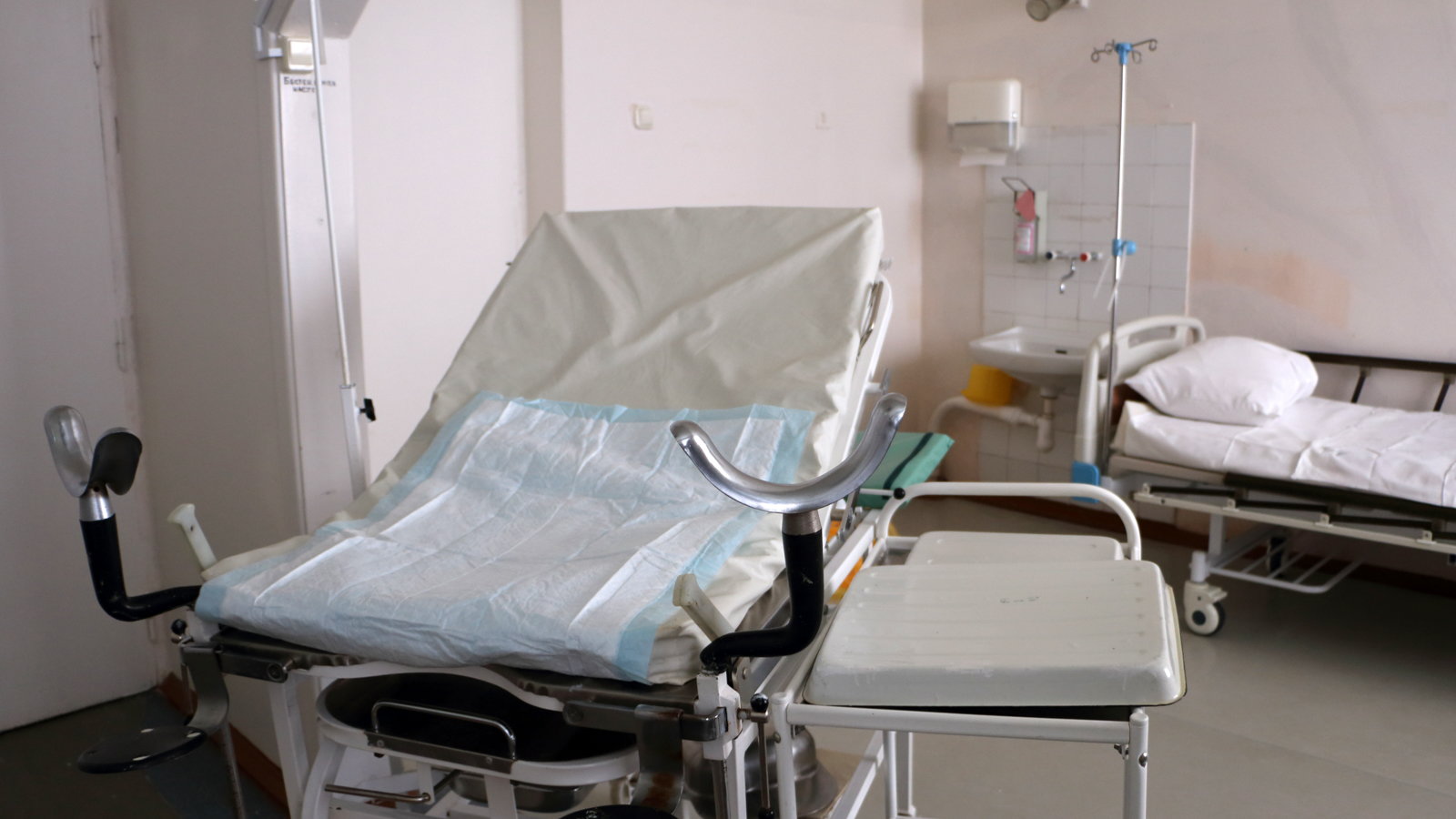
Your choice of birth environment is the first decision you make that determines your pain-relief options. If you know you want to use modern medical pain-relief methods, you will need to select a birth environment that can accommodate these preferences. If you are leaning more toward natural childbirth but would like to keep your options open, you may want to be in a birth environment that offers not only nonmedical forms of pain relief but also allows access to medical pain relief, should you change your mind during labor. If you are committed to using no medical pain-relief options and do not want to be in an environment where they are frequently used, you will need to choose a birth environment that has both the physical amenities and supportive caregivers you will need to successfully give birth free of any medications, using complementary and alternative pain-management techniques.
The staff of caregivers available to you during labor and birth can also directly impact your pain-relief options. For instance, if you think you prefer to use an epidural but are in a hospital where the only anesthesiologist is on another unit at the time when you are in need of pain relief, this can significantly impact your birth experience. Conversely, if you prefer to delay or avoid the use of medications, a busy hospital with a high percentage of epidural usage may not be the ideal environment for you to achieve this goal.
Pharmacologic methods (medications) should never replace personal attention and tender loving care of the woman in labor.
Your birth environment and the people caring for you during your labor and delivery can dramatically impact how you will perceive your childbirth experience. By choosing the type of birth environment best for you, you are more likely to feel relaxed and comfortable when you arrive and throughout the rest of your labor and birth. If you are giving birth in the setting you desire, surrounded by people who are able to meet your needs, including your pain-management needs, you are more likely to have a satisfying “birth day.”
In this chapter we:
- List the most common birth environments.
Describe what each has to offer with regard to pain-relief options.
Provide a description of the various professionals who may (or may not) be with you during labor and birth.
- Provide an at-a-glance comparison between hospitals and birth centers.
Hospitals
Most women in the United States (approximately 98 percent) give birth in a hospital. But all hospitals are not alike, and maternity units vary greatly from hospital to hospital. In addition, the size of the hospital and its maternity unit can impact the type of birth experience you have.
Reasons You May Want to Have Your Baby in a Hospital
- You want to be in a place where all or most medical pain-relief options will be available to you.
You want to give birth in a setting that has equipment and staff ready to deal with an unlikely emergency.
You feel more confident in a birth environment surrounded by a variety of medical professionals.
- You want a two- to four-day recovery period before returning home with your new baby.
Larger hospitals typically offer more medical pain-management options than are found in smaller (community) hospitals. Larger hospitals are more likely to have an in-house, around-the-clock anesthesiology staff readily available if you are in need of an epidural. Often, these larger hospitals have anesthesiologists who are assigned specifically to the maternity unit. This reduces the likelihood of delays for women in need of pain relief that must be given by the anesthesiologist.
Smaller hospitals may not have as many medical pain-relief options and may not offer epidurals twenty-four hours a day, seven days a week. If they have limited anesthesia staff, some smaller hospitals may not offer epidurals at all. On the other hand, many of these small hospitals, as a result of not having as much “high-tech” pain relief to offer, often have staff and equipment that can successfully support the mom who prefers to use fewer or no medications throughout labor and birth. So, depending upon your own preferences, either of these settings may be right for you. But, clearly, if you desire the full-throttle pain relief of an epidural, you are more likely to find this type of pain management taking place in larger hospitals with busier maternity units.
Size of Hospital Maternity Unit and Their Epidural and Combined Spinal-Epidural Rates:
- In hospitals that deliver fifteen hundred or more babies per year, 69% of women use an epidural or a combined spinal-epidural.
In hospitals that deliver five hundred to fifteen hundred babies per year, 50% of women use an epidural or a combined spinal-epidural.
- In hospitals that deliver less than five hundred babies per year, 40% of women use an epidural or combined spinal-epidural.
Hospitals of all sizes are increasingly responding to women’s requests for more pain-management options, including baths, showers, the use of birth balls, and the promotion of movement and positioning during labor and birth. More hospitals are encouraging, or at the very least accepting, women’s choice to use doulas (described in this chapter) as their primary support people during their labor and birth.
Many hospitals throughout the country have made their birthing rooms more appealing and homelike, with the goal of helping women feel relaxed and comfortable in the unfamiliar and sometimes intimidating surroundings of a clinical setting. Even with these changes, the hospital stay (which, for most women, is their very first hospital stay) can make you feel like, well, like you’re in a hospital! Many caregivers recommend you bring your own homelike objects of comfort that will promote a sense of familiarity and relaxation in an otherwise unfamiliar setting. You may want to bring your favorite pillow, fragrance, photos, and a radio or CD player to listen to your favorite music. If you feel more comfy in your own clothing, let the hospital staff know you would like to wear your own threads instead of their hospital gown.
Two more factors may also determine where you ultimately give birth: your insurance coverage, which may or may not cover your care at your preferred hospital, and your obstetrician’s hospital affiliation. The hospital in which your obstetrician or midwife works will be the hospital where you will have your baby. If you like your obstetrician or midwife, but do not like the hospital with which he or she is affiliated, you may find you will need to switch to a doctor or midwife who works in the hospital where you want to have your baby.
Are Women Who Have Their Babies in Hospitals Satisfied with Their Experience?
According to a survey of sixteen hundred women across the country:
Ninety-six percent said they were satisfied with the health care they received.
Ninety-four percent felt they were treated with kindness and understanding.
Eighty-seven percent said they were free to make their own decisions.
The Birth Center
Birth centers grew popular in the 1970s as an alternative to the hospital birth experience. Birth centers may also be called alternative birth centers (ABCs) or childbearing centers. According to the National Association of Childbearing Centers, “birth centers are guided by principles of prevention, sensitivity, safety, appropriate medical intervention, and cost-effectiveness.” Birth centers, unlike hospitals, do not exist in many communities across the country and, depending on where you live, may not be an option available to you.
Reasons You May Want to Have Your Baby in a Birth Center
- You are committed to giving birth without pain-relief medications.
You do not feel relaxed in a medical setting and prefer a nonmedical type of atmosphere.
You feel more confident in a birth setting surrounded by your family and being cared for by staff (and equipment) that is geared toward supporting a labor experience using coping strategies instead of medical pain-relief strategies.
- You may want to return home as soon as possible after giving birth.
Birth centers are often operated by midwives, or midwives and physicians together. The prospect of giving birth in a birth center is usually most appealing to women who want a birth environment where there will be as few medical interventions (including pain-relief interventions) as possible during labor and birth. A birth center is a good option for women who do not want to have their baby in a hospital but also do not want to give birth at home.
There are some in-hospital birth centers that provide a homey family-centered birth environment; they are attached to the hospital or are located on their campus. The in-hospital birth center is a distinct facility, separate from the hospital’s labor and delivery unit. Typically, epidurals are not offered in these centers. Depending on your preferences, this type of environment may also be a perfectly suitable option for you. A birth center within a hospital, however, may not operate in the same way an out-of-hospital birth center does, and its care practices and staffing may be more like hospital care than birth center care.
If you choose to have your baby in a birth center, a certified nurse-midwife (CNM) will most likely be your primary caregiver. Although in birth centers midwives and obstetricians work together, it is the midwife who will likely attend to the birth of your baby, unless the obstetrician is needed due to a complication. Your health care provider must determine that you are a healthy woman with a low-risk pregnancy in order for you to give birth to your baby in a birth center. Birth centers provide care to women throughout their pregnancy, labor and birth, and postpartum.
The birth center itself is characterized by a homelike atmosphere that is less high tech in appearance than a typical hospital maternity unit. If you are laboring in a birth center and at some point need emergency medical intervention, you will be transferred to a hospital.
Around 15 percent of women who begin their labor in a birth center need to transfer to a hospital. Of these women, only 2 percent transfer due to an emergency. The others are transported to the hospital primarily due to slow progress or because the mom requests anesthesia.
Birth centers promote a relaxed, private, nonclinical environment in which a variety of nonmedical pain-management approached can be accommodated. Birth centers do not offer epidurals, and they usually (although not always) do not offer narcotic injections. Birth centers are not equipped to perform cesarean section deliveries. In fact, the cesarian section rate for women who began their labor in birth centers is around 4 percent.
Excerpted from Easy Labor
Photos:
https://stock.adobe.com/images/newborn/115486529?prev_url=detail