
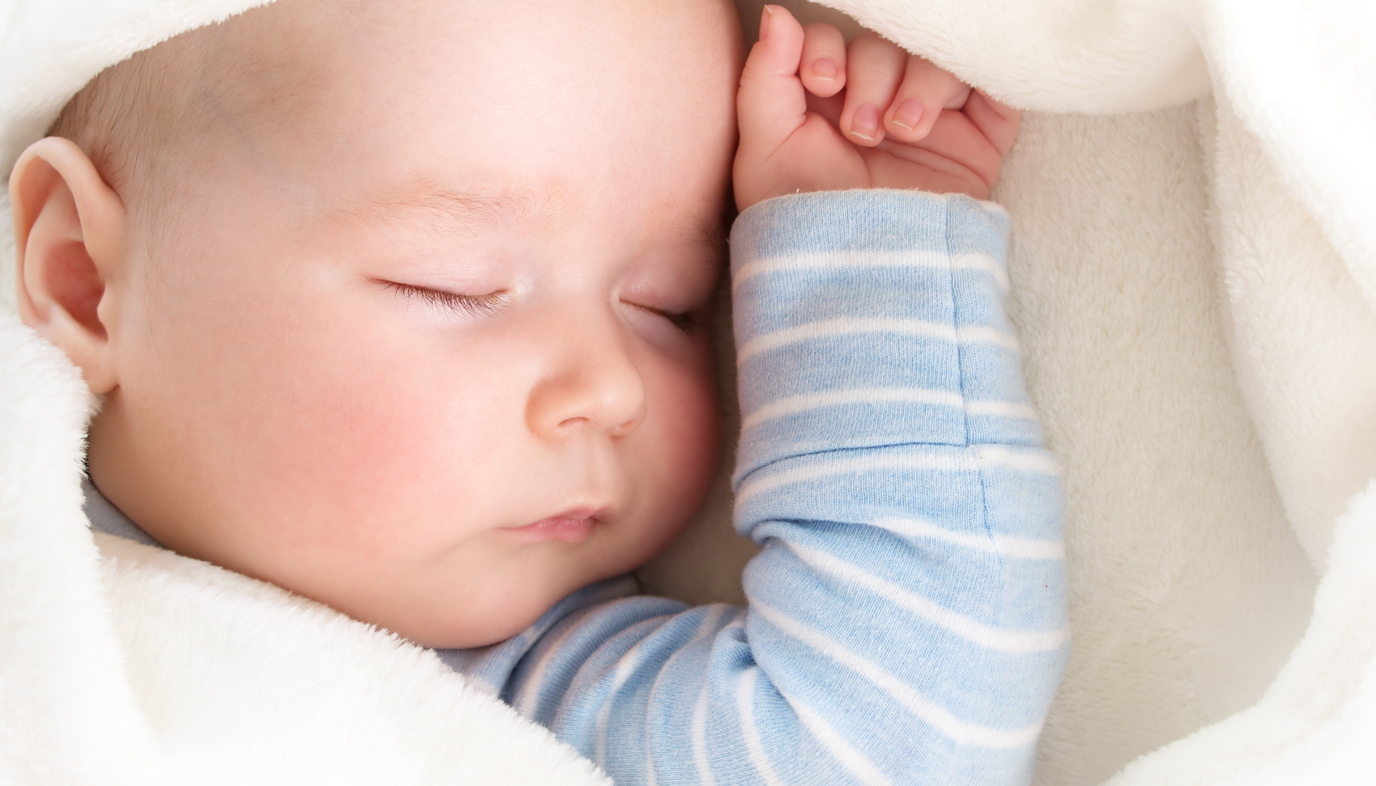
In their efforts to encourage their baby to sleep better, one approach that many parents use is to put their baby to bed later in the evening. They think, “If he’s 'really tired' he’ll sleep better, right?” Wrong! This often backfires because Baby becomes overtired, and chronically sleep-deprived.
In the majority of cases, a baby’s biological clock is preset for an early bedtime. When parents work with that time, a baby falls asleep more easily and stays asleep more peacefully. Most babies are primed to go to sleep for the night as early as 6:30 or 7:00 p.m. I often hear about how babies and toddlers have a “melt down” period at the end of the day, when they get fussy, whiny and out of sorts. I suspect that it’s simply a sign of over-tired children longing for sleep.
Early to Bed, Early to Rise?
For babies, early to bed does not mean early to rise! Most babies sleep longer with an earlier bedtime. Many parents are afraid to put their baby to bed so early, thinking that they will then face a 5 a.m. wake up call. But keeping your little one up too late backfires, and more often, a late night is the one followed by that early morning awakening.
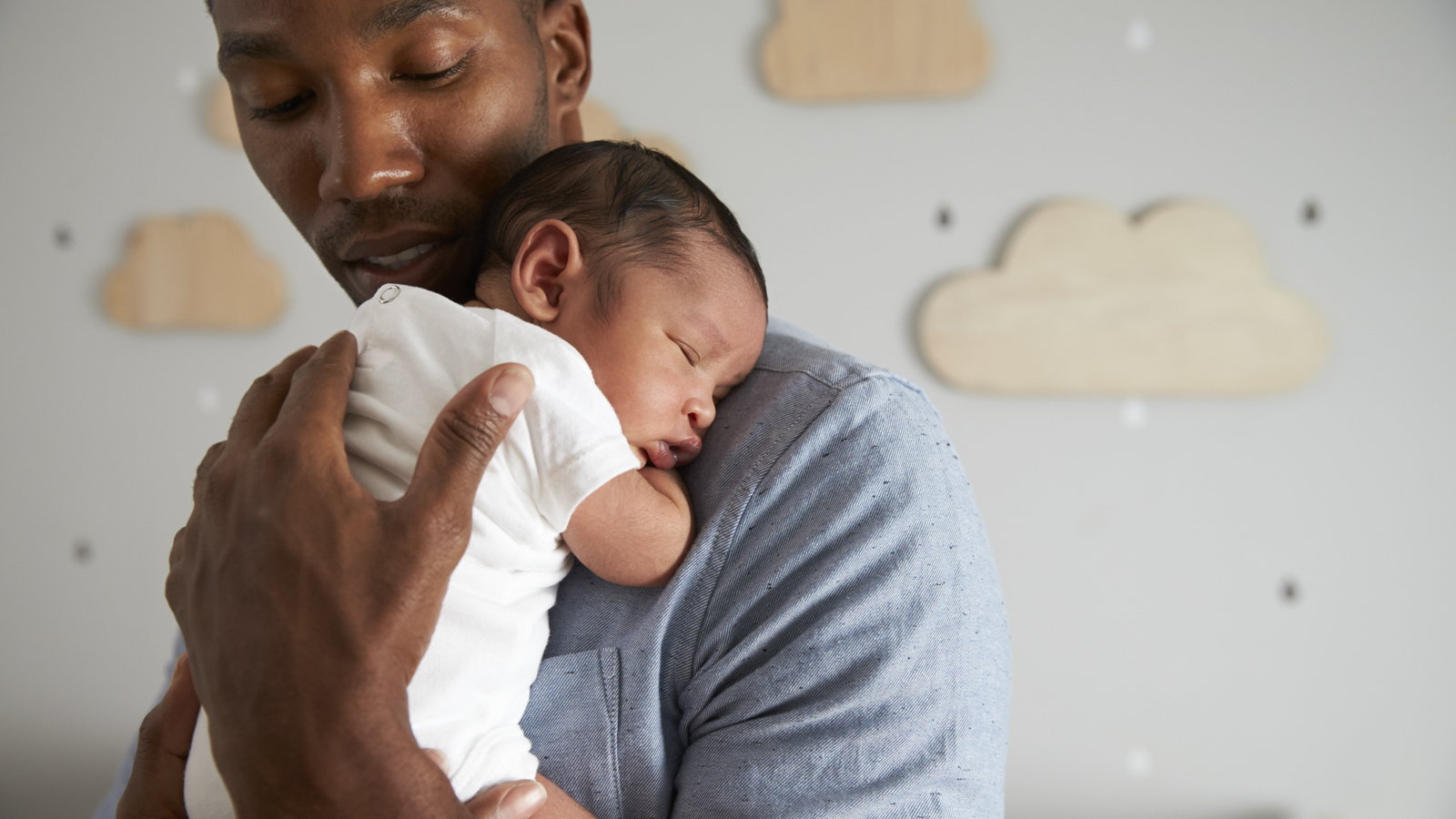
My youngest child, two-year-old Coleton used to go to bed at 9:30, the time when my three older children went to bed, because it was convenient for me. At that time in the evening, it would take him a long time to get settled. I never connected his inability to settle with his late bedtime. When I started putting him to bed at 7:00, he fell asleep much more quickly and slept more soundly.
What About Working Parents?
If you are a working parent, and your evening with your little one begins at 6:30 or 7:00, you may find yourself torn between keeping your baby up for some playtime and getting him right to bed. You may find, though, that when your baby goes to sleep earlier, and sleeps better, he awakens in a pleasant mood, eager to play. Because you have gotten a good night’s sleep, you can consider getting up earlier in the morning and saving some time before work to play with your baby, as an alternative to that late-evening play session. You’ll both enjoy that special morning time. Later, when your baby is consistently sleeping all night, every night, you can move bedtime a little later and judge whether the difference affects your baby’s sleep.

Finding Your Baby’s Best Bedtime
It can take some experimentation to find your baby’s best bedtime. If you have been putting your baby to bed too late in the evening, you can approach this adjustment in one of two different ways:
- Adjust your baby’s bedtime to be earlier by fifteen to thirty minutes every two or three nights. Pay attention to how easily your baby falls asleep as well as his awakening time and mood to gauge the effectiveness of the changes until you settle on his best bedtime.
- Beginning at around 6:30 p.m., watch your baby closely. As soon as he exhibits any signs of tiredness (fussing, losing interest in toys, looking glazed, yawning) put him right to bed, even if his previous bedtime has been 11:00 p.m. When you do this, keep your home quiet and the baby’s room dark so that it resembles his usual environment in the middle of the night. If this bedtime is substantially earlier than usual, your baby may think he’s going down for a nap and awaken after a short snooze. If he does this, respond very quickly so that he doesn’t fully awaken. Follow your usual method for helping him fall back to sleep, such as rocking or nursing; keep the room dark and quiet as you do during the middle of the night.
Here’s what Tammy, mother of seven-month-old Brooklyn had to say about changing her baby’s bedtime, “I had been waiting until 10:00 to put Brooklyn to bed because that’s when I go to sleep. But your suggestion made so much sense that last night I put her down at 8:00. I loved having the evening to spend with my husband. We haven’t spent that much time alone together in months! And the baby actually had a better night’s sleep. I’m happy that all our needs can be met in such a pleasant way.”
It may take a week or more of adjustment to settle into a new bedtime, but once you do, you’ll find that both you and your baby are happier.
Excerpted with permission by McGraw-Hill/Contemporary Publishing from The No-Cry Sleep Solution: Gentle Ways to Help Your Baby Sleep Through the Night by Elizabeth Pantley, copyright 2002