
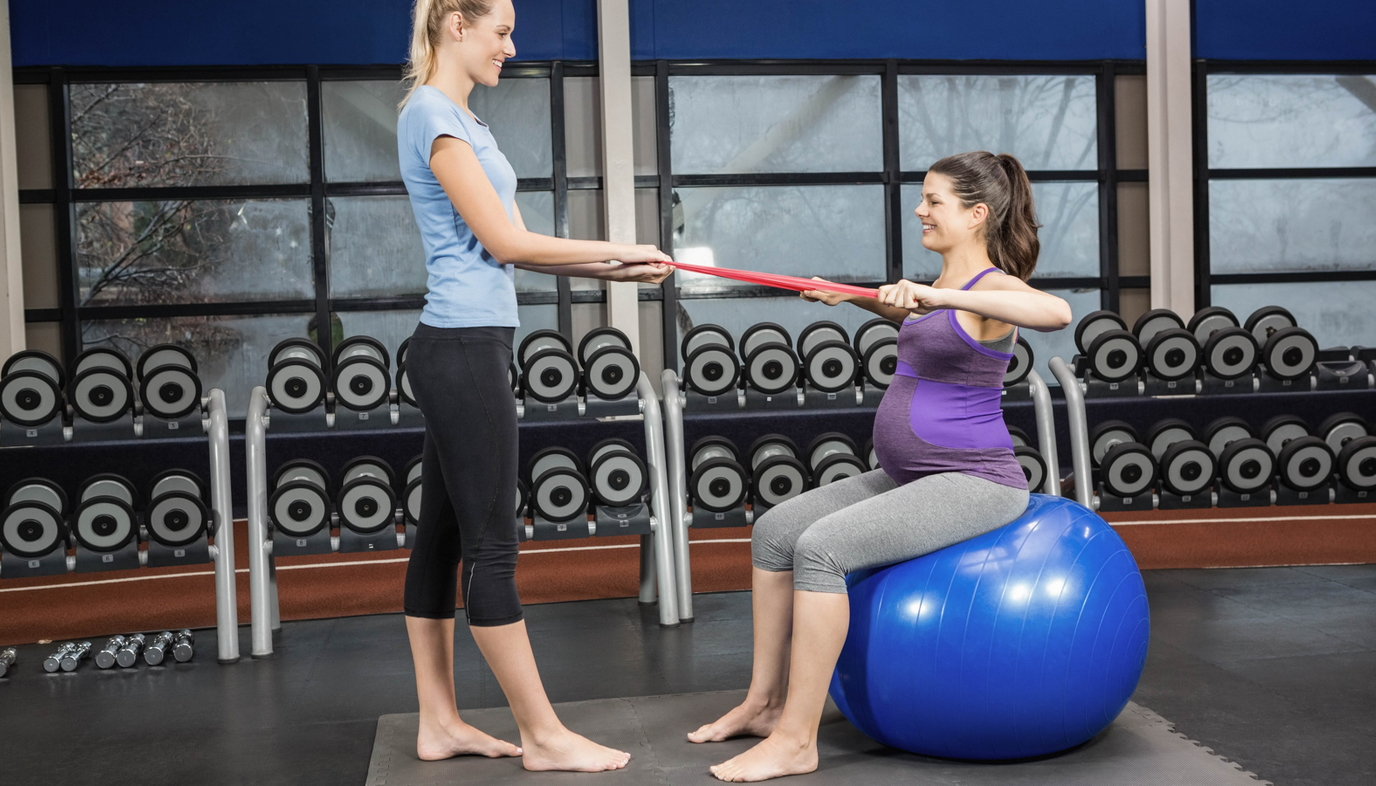
I know how exciting it is to finally hear the news that you’re going to have a baby. I’m sure there are many questions going through your head about keeping you and your baby healthy throughout your pregnancy. I’ve gathered a few of the most-asked questions to guide you safely and healthfully on your journey to new motherhood.
Can I Continue Exercising in My First Trimester?
The first trimester is not the time to start a NEW exercise routine. It is best to wait until you’re in to your second trimester and have clearance from your doctor to start an exercise plan. However, for those who are already active, you can safely continue with what is familiar to the body through the first trimester.
What Are the Best Activities to Do Through Pregnancy?
It’s very important to listen to your body and not take part in any activities that may cause abdominal trauma. It is also important to stay well hydrated and prevent over-heating. According to the American College of Obstetricians and Gynecologists, you can safely engage in 30 minutes or more of moderate exercise on most, if not all, days of the week.
Be aware you will have less oxygen available for aerobic exercise during pregnancy, so modify the intensity of your routine accordingly. Pregnancy will make exercise feel more difficult, especially in the first trimester, as the amount of blood circulated by the heart increases early in pregnancy and levels off during the third trimester at 30 to 50 percent above normal values.
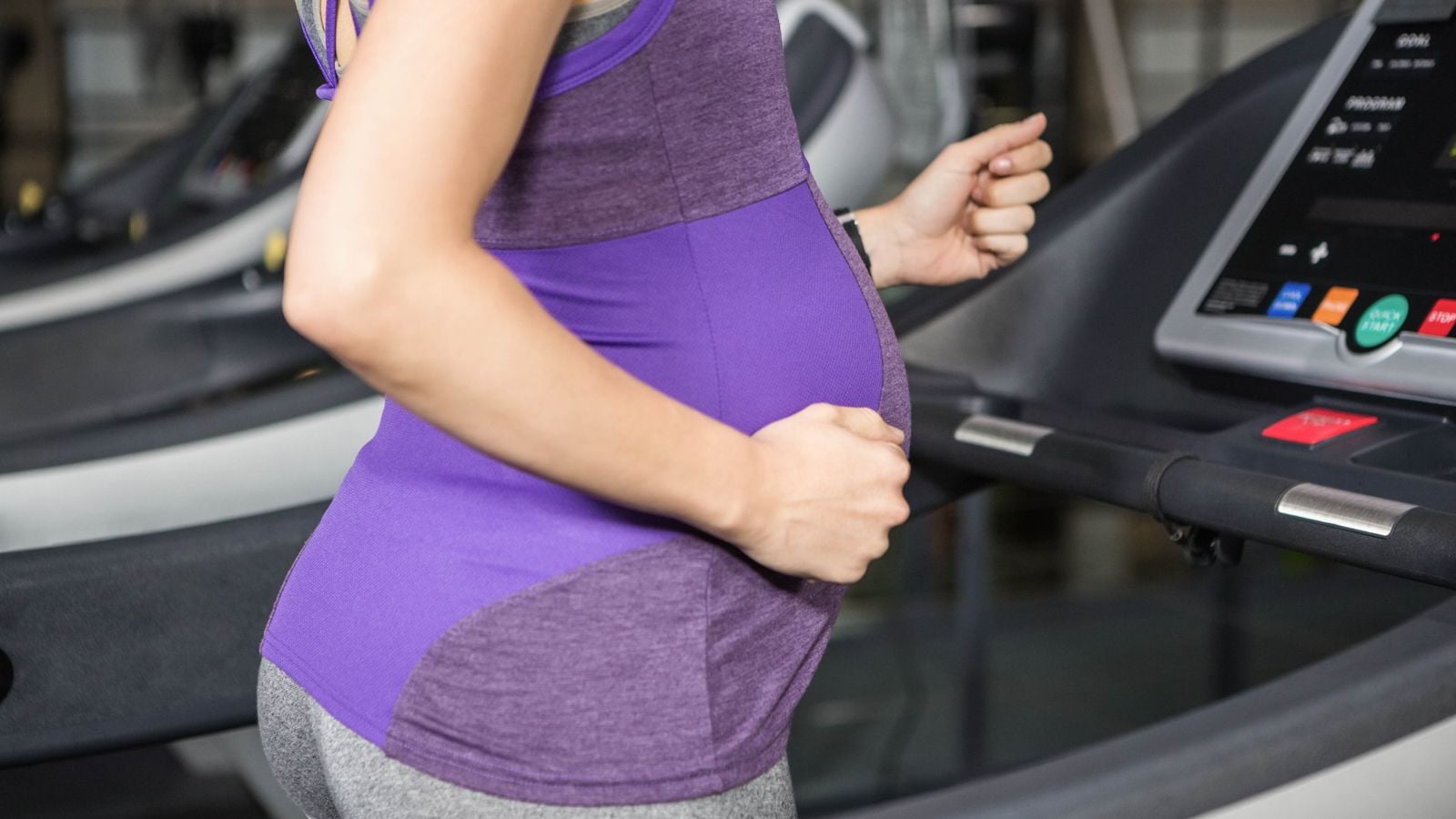
Throughout exercise, you should always be able to carry on a conversation. This is a great way of monitoring the intensity of your workout.
You also have to take into consideration that the heart rate increases during pregnancy, and you will need to allow for additional recovery time to bring the heart rate down following an exercise session. It could take up to 15 minutes to recover.
Remember, it’s important to listen to your body and stop exercising when fatigued. Don't exercise to exhaustion. You might be able to continue doing weight-bearing exercises at close to your usual intensity throughout pregnancy, but non-weight-bearing exercise such as swimming is easier to continue and carries less risk of injury.
What Activities Should I Avoid Through Pregnancy?
Don't do exercises in which you could lose your balance, especially in the third trimester. Avoid any exercise that risks even mild abdominal trauma. Jerky and rotational movements present in dance classes and kickboxing need to be taken with care, especially in the third trimester when the center of gravity is greatly affected by the increased baby weight and may also cause balance issues.
I would steer away from classes that have high-impact moves or modify the routine, keeping both feet on the floor. A good fitness instructor will always cue this for people with knee and back issues.
Hot yoga is not recommended, due to the excessive heat which can cause harm to the fetus and can increase blood pressure.
Mat Pilates is really only appropriate when it’s completely modified. Most of a typical mat class is lying on the back, which is not advisable for the second- and third-trimester exerciser, as it can decrease the blood flow to the uterus. Mat Pilates is fine for the first trimester if you have been practicing Pilates consistently before conceiving. After that time, look for a prenatal Pilates class or do a Pilates Pregnancy DVD at home.
As you move toward the end of your pregnancy, the level of intensity and duration should be reduced as not to cause injury to the body with the extra weight of the baby and strain this may place on your joints and ligaments.
Avoid balance activities such as lunges, single-leg squats, and exercises on the big Swiss ball. Excessive rotation of the torso can place strain on the fetus. Stay away from doing classic abdominal crunches as this may cause Diastasis recti -- the separation of the abdominal muscles.
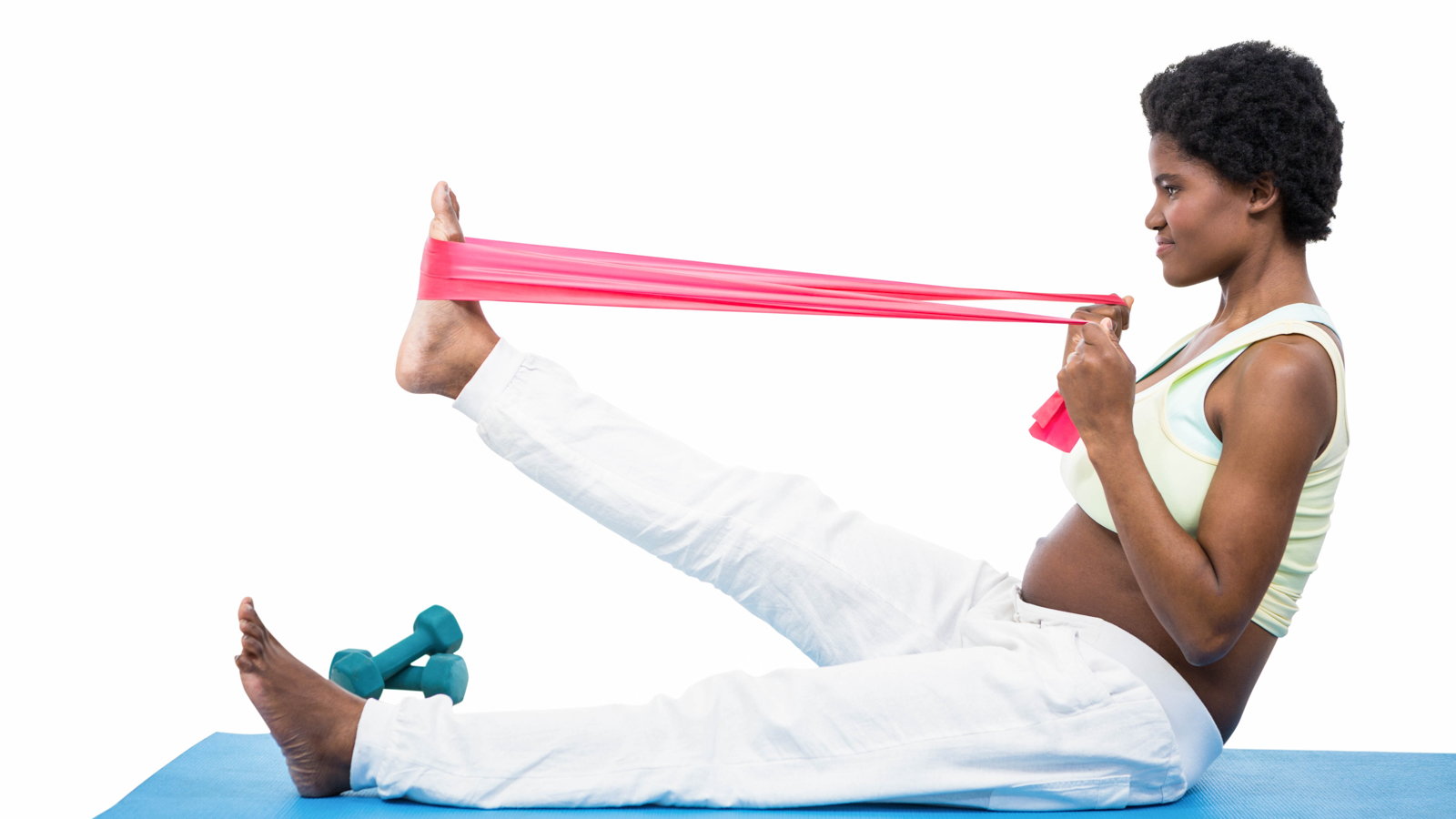
When taking Yoga or stretching, it’s important to remember that your joints and tissue will be loose during pregnancy because pregnancy hormones (relaxin), which help the uterus expand, also affect all of the body's connective tissue in the process. This is not the time to push your body to newfound flexibility. You should instead work in a safe, comfortable range, maintaining a good range of motion.
Unless the doctor has specifically cautioned you not to exercise due to an existing medical condition, you are free to continue with your exercise program. Research has supported that babies are leaner and healthier because their moms took part in a regular exercise program during pregnancy.
If you start to feel dizzy, light-headed, onset of headache, nausea, vision changes, extreme fatigue or shortness of breath, then exercise should be terminated.
Your body will tell you all you need to know. Get familiar with your new body and listen carefully.
Enjoy your fit pregnancy.
About the Author:
Tracey Mallett is an internationally-recognized certified personal trainer and sports nutritionist. She is also a certified fitness instructor, Gyrotonic® and Master Pilates instructor. Tracey is the creator and star of the "3-In-1 Pregnancy System," the first DVD of its kind combining Pilates, Yoga, and strength training for pre- and post-natal mothers. Her newest videos are "Renew You” and "Super Body BootCamp.” A proud mother of two, Tracey, who hails from Bloxwich, England, now lives in Los Angeles. Visit her online at www.TraceyMallett.com