
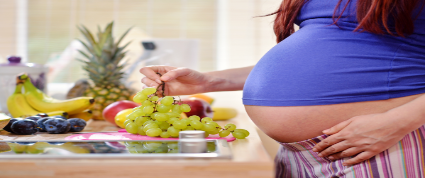
Pregnancy is an exciting time of life and can fill your mind with all kind of questions. (Am I eating the right foods for my growing baby? Am I getting enough sleep? Will stress hurt my baby? ) Proper nutrition during pregnancy is one of the best ways to get your baby off to a great start in life. Here’s a short list of the nutrients you should be consuming on a daily basis for a healthy pregnancy and baby.
Caloric Increase
It’s commonly said that you are eating for two when pregnant. This is true. You are the only source of your baby's nutrition. Growing a baby also takes energy, and you’ll find your metabolic rate increases as much as 25% during pregnancy. However, your baby is a tiny being and does not have the caloric needs of an adult, so there’s a fine line between eating the sufficient amount of calories and too many. The recommended calorie increase for pregnant women is approximately 300 calories per day. Based off a 2,100 calorie diet, this equals a total of 2,400 calories a day. This may be more or less for you depending on your weight prior to pregnancy and your activity level. So, now you know about calories, what foods should these calories be from?
Protein
We'll begin with protein. By the time a baby is born, 900 grams of protein are stored in the fetus. So, extra protein is an essential component in a pregnant woman's diet, with 60 grams of protein a day recommended during pregnancy. Proteins are used in building your baby's brain cells and are therefore a critical part in proper brain development.
Protein is found in both animal and plant-based foods, but the only source of complete proteins are animal-based. Eating meat and dairy products ensures your body will break down and absorb the protein quickly. Eat lean sources of protein such as poultry, fish, and lean ground beef. Eggs are also a good way to increase your protein intake, as well as cheese, milk, and yogurt.
If you want to avoid eating animal products during your pregnancy, it is possible.You can combine certain incomplete proteins to create a complete protein and therefore fully reap the benefits. Incomplete proteins can be found in these plant-based foods: cereals, grains, pasta, legumes, beans, peanuts, broccoli, peas, and leafy green vegetables. Eat the following combinations of incomplete proteins for optimum protein absorption in the body: yogurt and walnuts, brown rice and green peas, corn and beans, and legumes with seeds.
Calcium
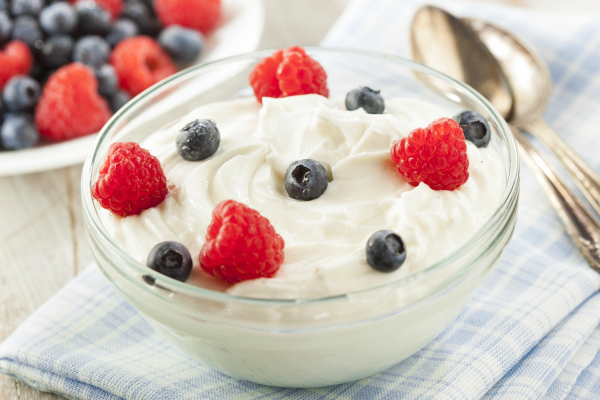
Calcium is another nutrient that a pregnant woman needs to increase in her diet. Calcium is necessary for your baby's bone and tooth formation. You need approximately 1200 mg of calcium a day during pregnancy and lactation. While calcium can be found in dairy products, it can also be found in green leafy vegetables such as kale, spinach, and broccoli. Incorporate salads using these vegetables into your daily menu as well as Greek yogurt, which also has lots of protein. You can also consume orange juice with added calcium in it if you find you are not eating solid foods with enough calcium.
Iron
What about iron? Yep, you guessed it—you need more iron during pregnancy. During the development of the fetus, your body uses iron to create blood for the baby, in addition to assisting the movement of oxygen to both your and your baby’s lungs. A pregnant woman should consume 30 mg of iron a day. Some good sources of iron include lean meats, dark green leafy vegetables, eggs, and whole grain cereals. It may be difficult, however, to get enough iron in diet intake alone, which is why your doctor will usually prescribe an iron supplement.
Folic Acid
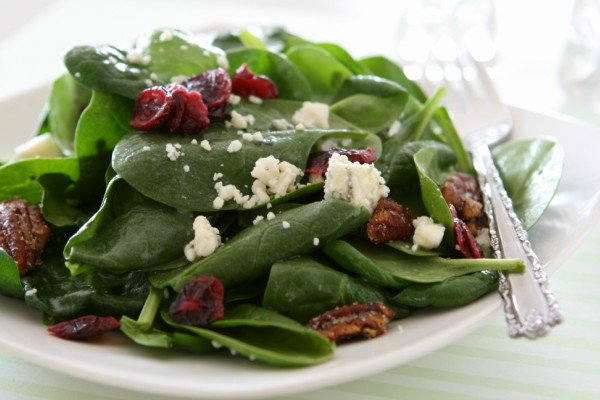
The importance of folic acid is something you've probably heard about before you were pregnant, or while you were trying to conceive. It’s needed for healthy embryotic tissue in the fetus and has been shown to prevent neural tube defects. Food sources for folic acid include fresh green leafy vegetables, peanuts, liver, whole grain breads, and cereals. Your doctor will probably prescribe a prenatal vitamin that includes extra folic acid, so don’t worry about getting enough from your diet alone.
What to Avoid
Now that you know some of the foods you should consume when pregnant, you should also know what to avoid. First and foremost, alcohol should always be avoided during pregnancy. While science doesn’t know just how much alcohol consumption will cause damage to the baby, it will at the very least cause some. It's just not worth the risk. You should also avoid foods high in sodium content or nitrates during pregnancy. Processed foods, canned foods, and hot dogs in particular typically contain both excess sodium and nitrates, as well as lack nutritional value. They’re best avoided for general health during pregnancy.